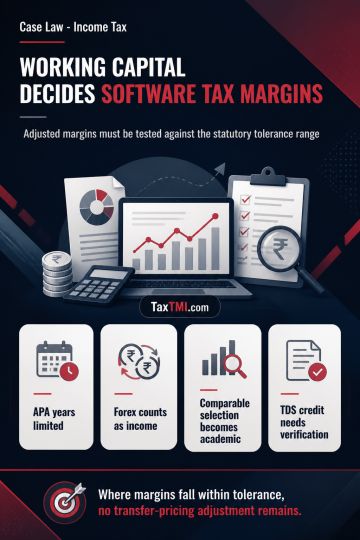
Working-capital adjustment determines whether software-services transfer-pricing margins fall within the statutory tolerance range, eliminating any ad...
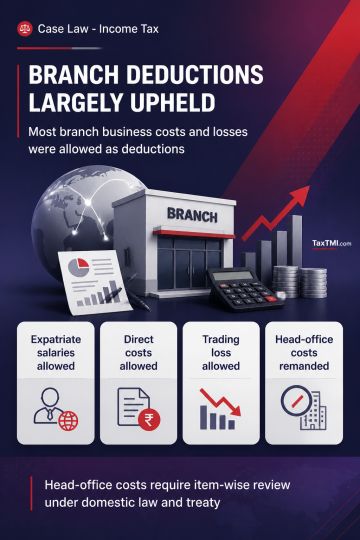
Permanent establishment deductions upheld for expatriate salaries, direct costs and trading losses, while head-office costs require fresh classificati...
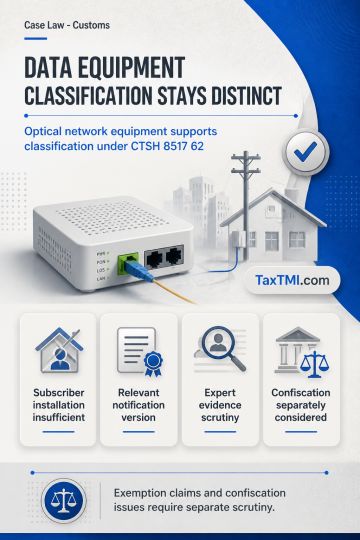
Data transmission equipment classification under CTSH 8517 62 remains distinct from residual classification, with exemption evidence requiring scrutin...
HC ruled that the petitioner's refund claim for accumulated ITC was improperly rejected. Applying precedent from Patanjali case, the court held that filing a refund application after 18.07.2022 does not automatically disqualify an applicant from seeking refund within the statutory two-year limitation period. The notification creating an arbitrary classification among assessees based on filing date was deemed invalid. Consequently, the court quashed the rejection orders dated 24.02.2023 and 30.01.2023, thereby allowing the petitioner's refund claim and upholding the statutory right to file claims within the prescribed time limit.
HC ruled that the petitioner's refund claim for accumulated ITC was improperly rejected. Applying precedent from Patanjali case, the court held that filing a refund application after 18.07.2022 does not automatically disqualify an applicant from seeking refund within the statutory two-year limitation period. The notification creating an arbitrary classification among assessees based on filing date was deemed invalid. Consequently, the court quashed the rejection orders dated 24.02.2023 and 30.01.2023, thereby allowing the petitioner's refund claim and upholding the statutory right to file claims within the prescribed time limit.
Note: It is a system-generated summary and is for quick reference only.
 TaxTMI
 of 4805










 Join Channel


 TaxTMI