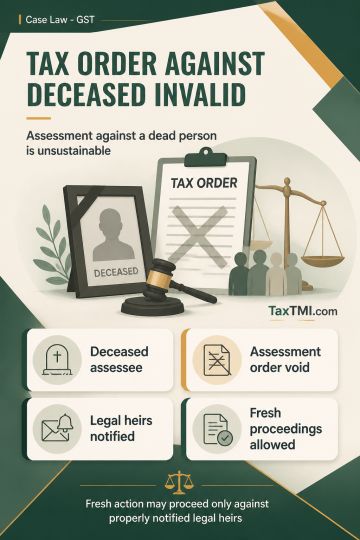
Mutual fund maturity rules require proper rollover, redemption, disclosure, and due diligence; investor gains cannot excuse regulatory breaches or pen...
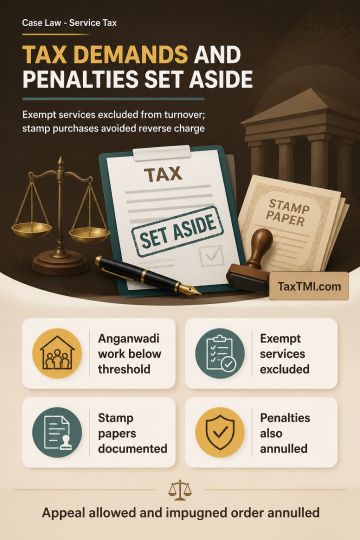
Threshold exemption excludes exempt services, while stamp-paper purchases avoid reverse charge; consequential service tax penalties were also set asid...
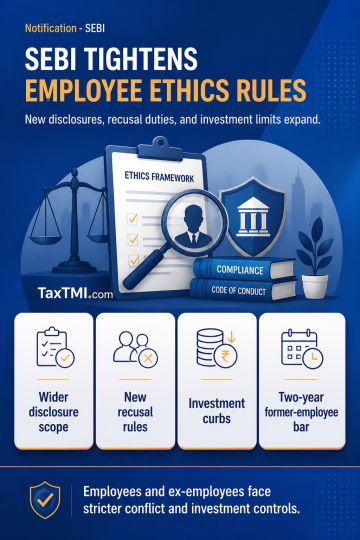
Employee conflict disclosures and investment restrictions expand with new recusal duties, post-employment limits, and compliance reporting requirement...
NCLAT analyzed the maintainability of a Section 9 application for gratuity claims by workmen against a corporate debtor. The Tribunal held that gratuity claims constitute operational debt under IBC, and no pre-existing dispute existed to bar the application. The suits filed by the corporate debtor were deemed mala fide and not genuine disputes. The prior dismissal of a trade union's Section 9 application on procedural grounds did not operate as res judicata. The Tribunal rejected the corporate debtor's arguments regarding welfare dues and pre-existing disputes, finding the claims legitimate. Consequently, the appeal was dismissed, affirming the workmen's right to pursue their gratuity claims through the insolvency resolution process.
NCLAT analyzed the maintainability of a Section 9 application for gratuity claims by workmen against a corporate debtor. The Tribunal held that gratuity claims constitute operational debt under IBC, and no pre-existing dispute existed to bar the application. The suits filed by the corporate debtor were deemed mala fide and not genuine disputes. The prior dismissal of a trade union's Section 9 application on procedural grounds did not operate as res judicata. The Tribunal rejected the corporate debtor's arguments regarding welfare dues and pre-existing disputes, finding the claims legitimate. Consequently, the appeal was dismissed, affirming the workmen's right to pursue their gratuity claims through the insolvency resolution process.
Note: It is a system-generated summary and is for quick reference only.
 TaxTMI
 of 4800




 Join Channel


 TaxTMI