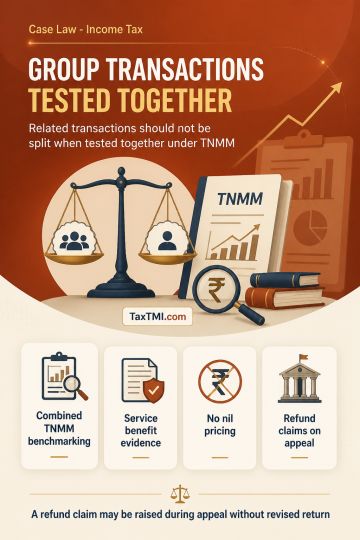
Aggregation under TNMM prevents selective testing of intra-group services without comparable uncontrolled transactions, while appellate additional cla...
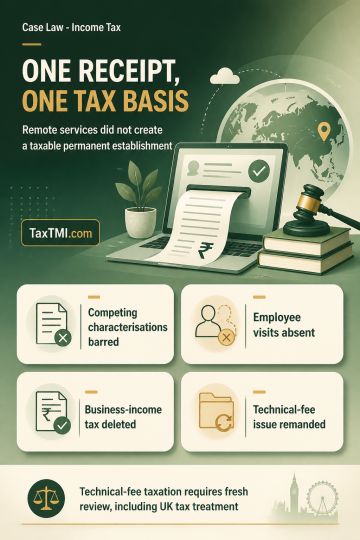
Protective assessment cannot duplicate identical receipts under competing characterisations; remote services did not establish a taxable permanent est...
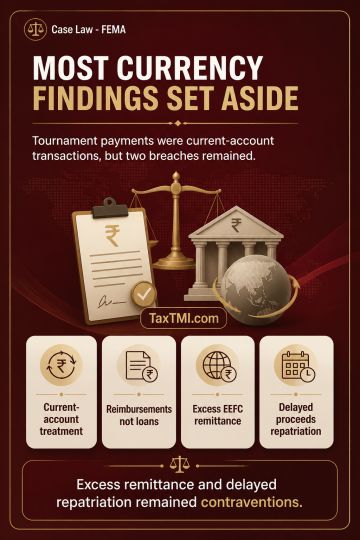
Current account treatment of overseas tournament services removed most FEMA findings, but excess EEFC remittance and delayed repatriation remained bre...
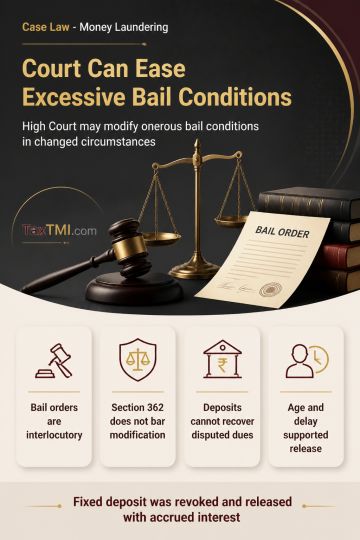
Modification of bail conditions remains available through inherent jurisdiction where onerous deposits undermine justice and cannot recover disputed d...
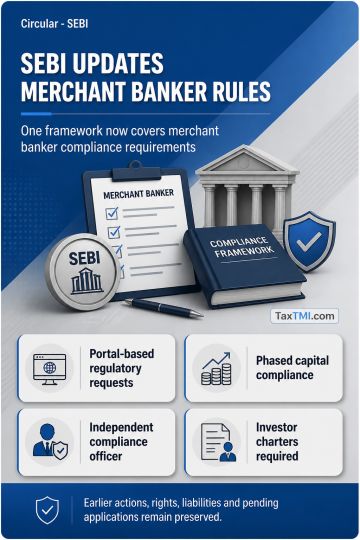
Merchant banker regulation consolidates registration, governance, capital, reporting, outsourcing and investor-protection requirements under an update...
HC upheld the arbitral award, finding no grounds for interference under Section 34 of the Arbitration and Conciliation Act, 1996. The court determined that the arbitrator's reasoning was legally sound and based on available evidence. The award did not demonstrate patent illegality or violation of public policy. The court emphasized its limited review role, noting it cannot re-appreciate evidence or modify the arbitral award. Consequently, the petition challenging the arbitral award was dismissed, affirming the arbitrator's decision on contractual terms and GST liabilities.
HC upheld the arbitral award, finding no grounds for interference under Section 34 of the Arbitration and Conciliation Act, 1996. The court determined that the arbitrator's reasoning was legally sound and based on available evidence. The award did not demonstrate patent illegality or violation of public policy. The court emphasized its limited review role, noting it cannot re-appreciate evidence or modify the arbitral award. Consequently, the petition challenging the arbitral award was dismissed, affirming the arbitrator's decision on contractual terms and GST liabilities.
Note: It is a system-generated summary and is for quick reference only.
 TaxTMI
 of 4794




 Join Channel


 TaxTMI