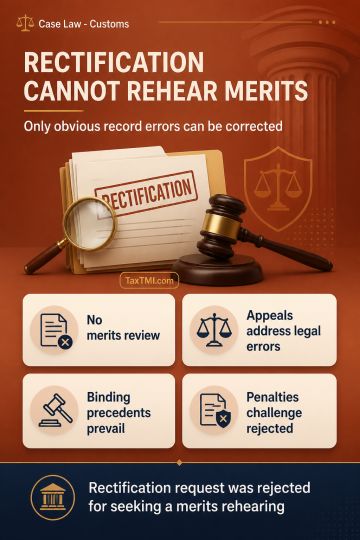
Rectification of mistake remains limited to self-evident record errors, preventing merits review through miscellaneous applications and preserving fin...
Tender creditworthiness conditions may extend to de facto Promoter Directors, with post-participation challenges generally barred absent arbitrariness...
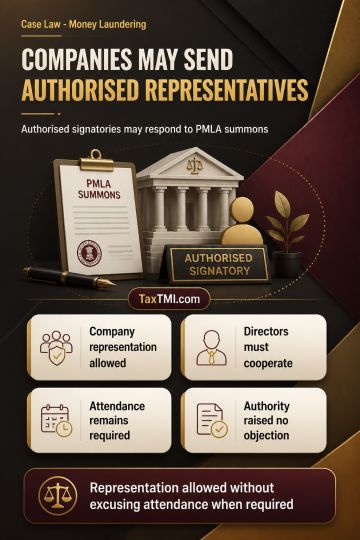
Corporate representation in PMLA summons proceedings permitted through an authorised signatory, subject to directors' continuing cooperation and atten...
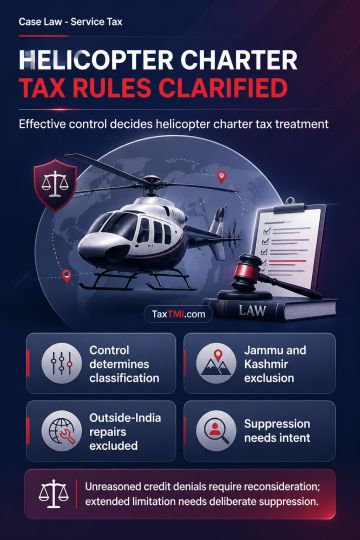
Helicopter charter classification requires effective control analysis, while territorial performance, reasoned credit orders and wilful suppression de...
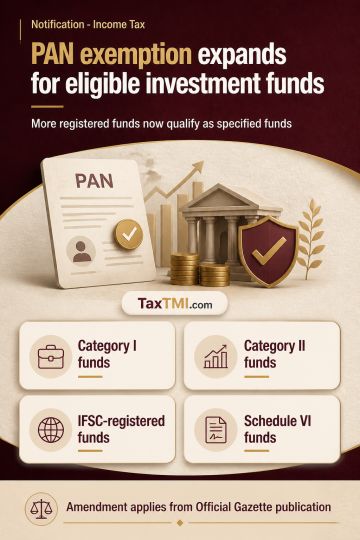
Specified fund definition expands PAN exemption eligibility for registered alternative investment funds and qualifying International Financial Service...
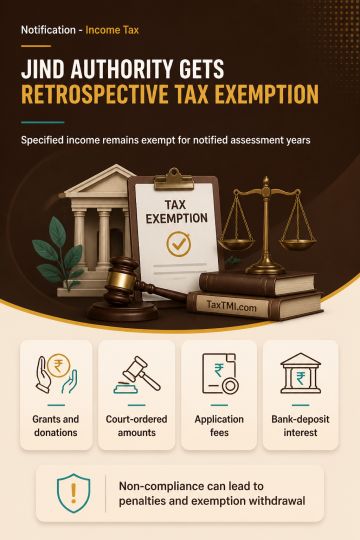
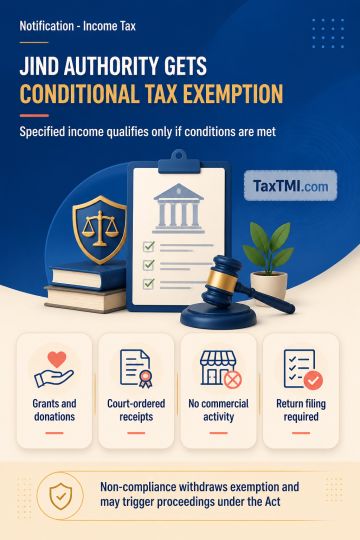
Tax exemption for specified legal-services authority income applies retrospectively, subject to non-commercial activity, unchanged income sources, and...
Page of 4792
Press 'Enter' after typing page number.
701 to 720 of 95833 Results
❮
❯
❯❯
0 / 200
Expand Note
Add to Folder
No Folders have been created
+
Are you sure you want to delete "My most important" ?
CESTAT adjudicated a service tax dispute involving reimbursable expenses and business auxiliary services. The tribunal ruled in favor of the appellant, finding no valid basis for service tax levy on reimbursable expenses, consistent with SC precedent. The department's attempt to demand tax based on profit and loss account entries without demonstrating actual service consideration was rejected. Additionally, the tribunal found no evidence of intentional tax evasion, thereby invalidating extended limitation period and penalties. The appeal was allowed, effectively quashing the original tax demands and establishing that mere accounting entries cannot constitute taxable service under the Finance Act, 1994.
CESTAT adjudicated a service tax dispute involving reimbursable expenses and business auxiliary services. The tribunal ruled in favor of the appellant, finding no valid basis for service tax levy on reimbursable expenses, consistent with SC precedent. The department's attempt to demand tax based on profit and loss account entries without demonstrating actual service consideration was rejected. Additionally, the tribunal found no evidence of intentional tax evasion, thereby invalidating extended limitation period and penalties. The appeal was allowed, effectively quashing the original tax demands and establishing that mere accounting entries cannot constitute taxable service under the Finance Act, 1994.
Note: It is a system-generated summary and is for quick reference only.
 TaxTMI
 of 4792





 Join Channel


 TaxTMI