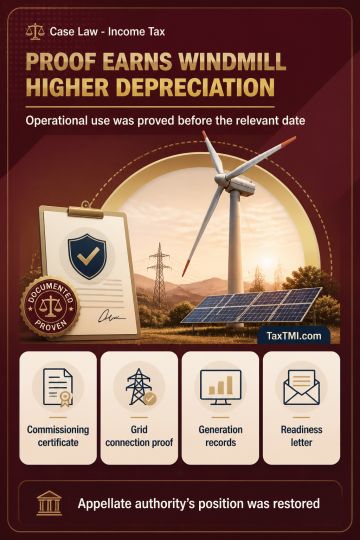
Windmill commissioning evidence supported higher depreciation where grid connection and electricity generation proved operational use before the relev...
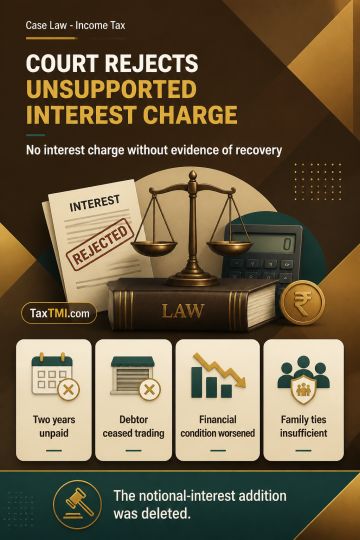
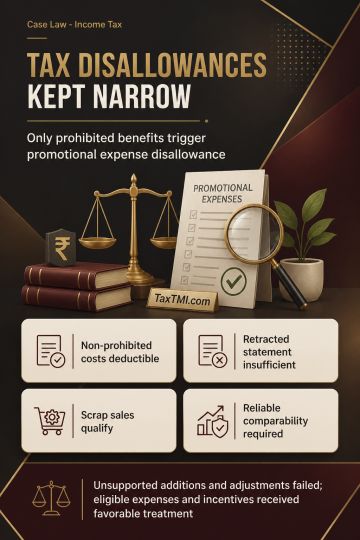
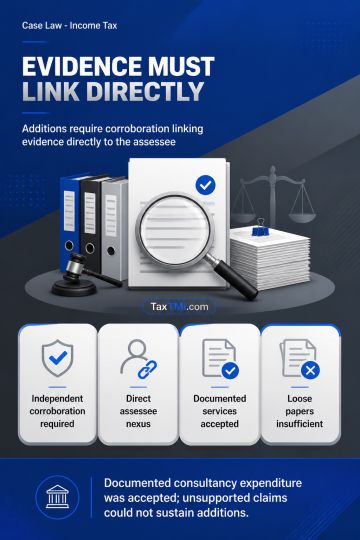
Pharmaceutical promotion and transfer-pricing comparability principles limited disallowances, while uncorroborated search allegations and unsupported ...
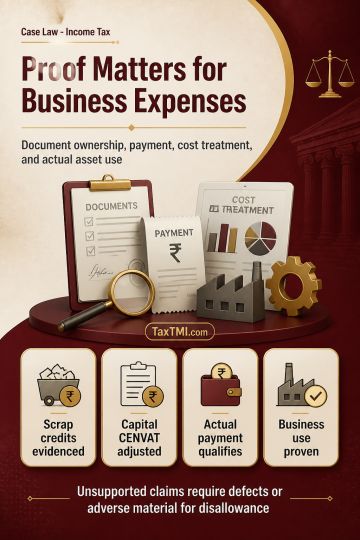
Business expenditure substantiation supports scrap credits, statutory payments and expense claims, while depreciation requires proof of actual busines...
HC ruled on the legality of creating additional dues by GST Department after NCLT's Resolution Plan approval. The court held that once a Resolution Plan is approved under IBC, subsequent claims by creditors are impermissible as they would disrupt the resolution process. The court specifically noted that the tax department was aware of IBC proceedings and had previously filed claims through the Resolution Professional. Consequently, the court quashed the assessment order and demand notice issued under Section 74 of CGST Act, 2017, which were raised post-Resolution Plan approval, thereby protecting the sanctity of the resolution mechanism and preventing potential disruption to the insolvency resolution process.
HC ruled on the legality of creating additional dues by GST Department after NCLT's Resolution Plan approval. The court held that once a Resolution Plan is approved under IBC, subsequent claims by creditors are impermissible as they would disrupt the resolution process. The court specifically noted that the tax department was aware of IBC proceedings and had previously filed claims through the Resolution Professional. Consequently, the court quashed the assessment order and demand notice issued under Section 74 of CGST Act, 2017, which were raised post-Resolution Plan approval, thereby protecting the sanctity of the resolution mechanism and preventing potential disruption to the insolvency resolution process.
Note: It is a system-generated summary and is for quick reference only.
 TaxTMI
 of 4803




 Join Channel


 TaxTMI
