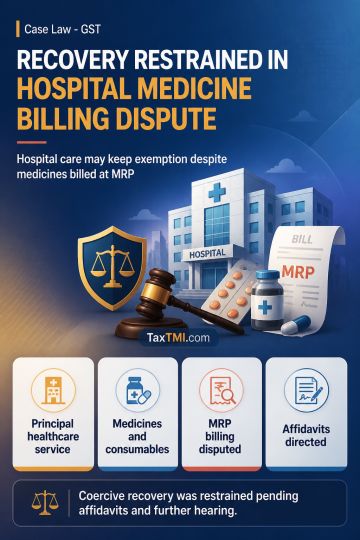
Composite inpatient healthcare supply may retain exemption despite MRP medicine billing, while separate taxable sale characterisation remains disputed...
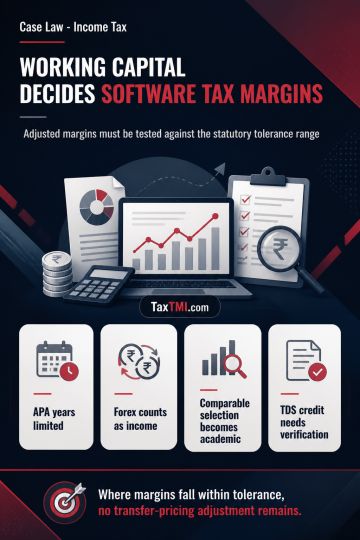
Working-capital adjustment determines whether software-services transfer-pricing margins fall within the statutory tolerance range, eliminating any ad...
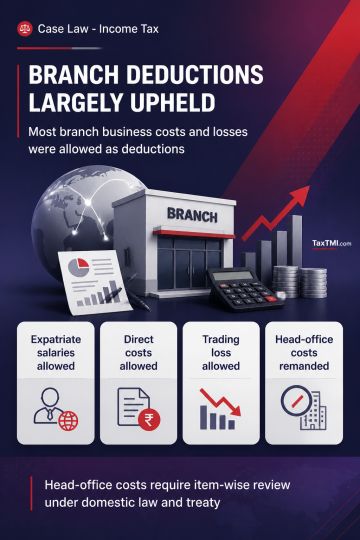
Permanent establishment deductions upheld for expatriate salaries, direct costs and trading losses, while head-office costs require fresh classificati...
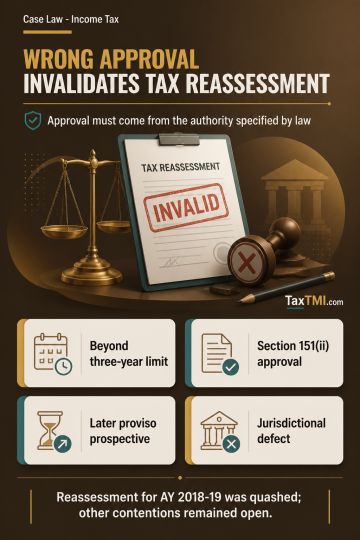
HC held that the notice u/s 148 was time-barred under Section 149(1), rendering it invalid. The Assessing Officer (AO) exceeded statutory limitations by issuing a notice beyond the prescribed time period. The court emphasized that procedural timelines are mandatory and cannot be circumvented. The impugned notice was liable to be set aside solely on the ground of limitation, irrespective of other substantive challenges. The decision underscores the critical importance of adhering to statutory time constraints in tax reassessment proceedings, affirming that procedural compliance is essential for maintaining the integrity of tax assessment processes.
HC held that the notice u/s 148 was time-barred under Section 149(1), rendering it invalid. The Assessing Officer (AO) exceeded statutory limitations by issuing a notice beyond the prescribed time period. The court emphasized that procedural timelines are mandatory and cannot be circumvented. The impugned notice was liable to be set aside solely on the ground of limitation, irrespective of other substantive challenges. The decision underscores the critical importance of adhering to statutory time constraints in tax reassessment proceedings, affirming that procedural compliance is essential for maintaining the integrity of tax assessment processes.
Note: It is a system-generated summary and is for quick reference only.
 TaxTMI
 of 4805





 Join Channel


 TaxTMI
