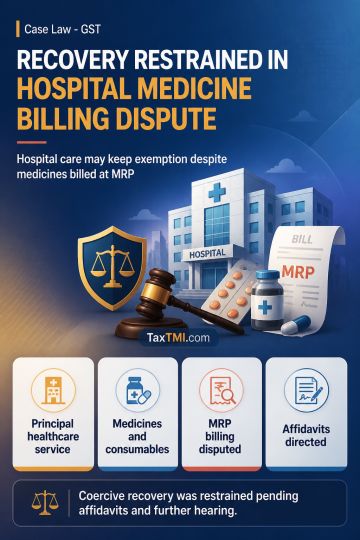
Composite inpatient healthcare supply may retain exemption despite MRP medicine billing, while separate taxable sale characterisation remains disputed...
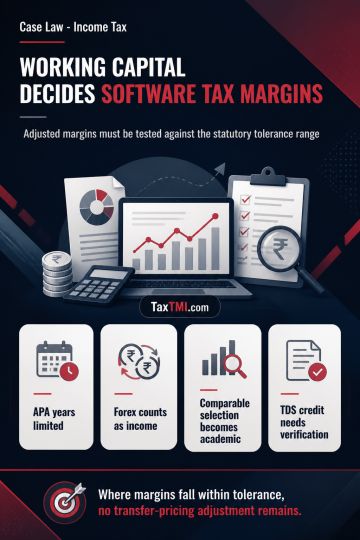
Working-capital adjustment determines whether software-services transfer-pricing margins fall within the statutory tolerance range, eliminating any ad...
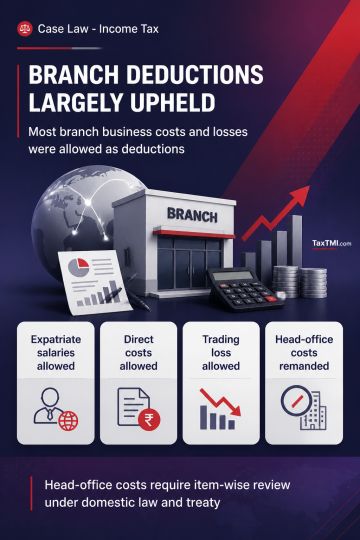
Permanent establishment deductions upheld for expatriate salaries, direct costs and trading losses, while head-office costs require fresh classificati...
ITAT allowed the appeal, finding the lower authorities' approach legally incorrect. The Tribunal held that the assessee company's chosen Discounted Cash Flow (DCF) method for share valuation was valid under Rule 11UA(1)(c), and the Assessing Officer (AO) could not arbitrarily disregard this method. The Tribunal noted inconsistent treatment between resident and non-resident investors' share premium and rejected the addition under Section 56(2)(viib). Furthermore, the Tribunal ruled that the amendment to Section 115BBE should not be applied retroactively, as it was not intended to cover the assessee's case. The decision effectively deleted the additions made by the AO and confirmed by the CIT(A), providing relief to the assessee company.
ITAT allowed the appeal, finding the lower authorities' approach legally incorrect. The Tribunal held that the assessee company's chosen Discounted Cash Flow (DCF) method for share valuation was valid under Rule 11UA(1)(c), and the Assessing Officer (AO) could not arbitrarily disregard this method. The Tribunal noted inconsistent treatment between resident and non-resident investors' share premium and rejected the addition under Section 56(2)(viib). Furthermore, the Tribunal ruled that the amendment to Section 115BBE should not be applied retroactively, as it was not intended to cover the assessee's case. The decision effectively deleted the additions made by the AO and confirmed by the CIT(A), providing relief to the assessee company.
Note: It is a system-generated summary and is for quick reference only.
 TaxTMI
 of 4805






 Join Channel


 TaxTMI
