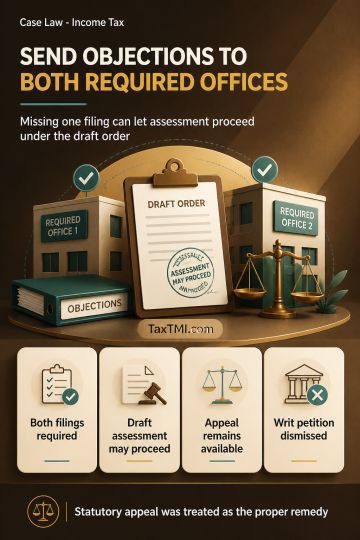
Dispute Resolution Panel objections must reach both prescribed forums; otherwise assessment may proceed and statutory appeal remains the proper remedy...
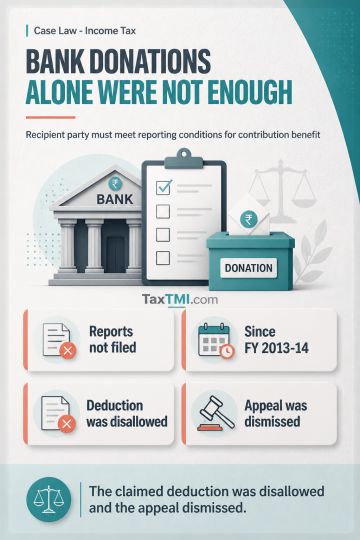
Political contribution deductions require recipient party compliance with contribution-reporting conditions; banking-channel donations alone do not qu...
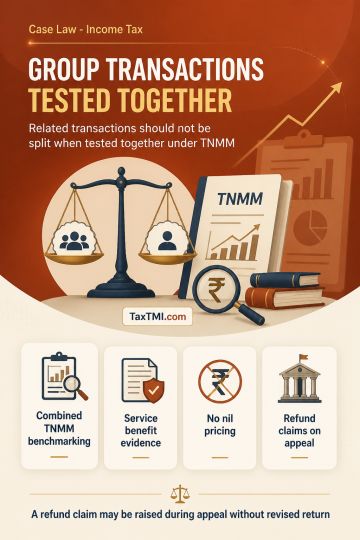
Aggregation under TNMM prevents selective testing of intra-group services without comparable uncontrolled transactions, while appellate additional cla...
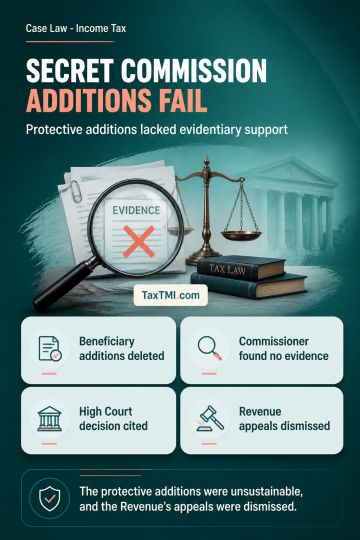
Protective assessment cannot duplicate identical receipts under competing characterisations; remote services did not establish a taxable permanent est...
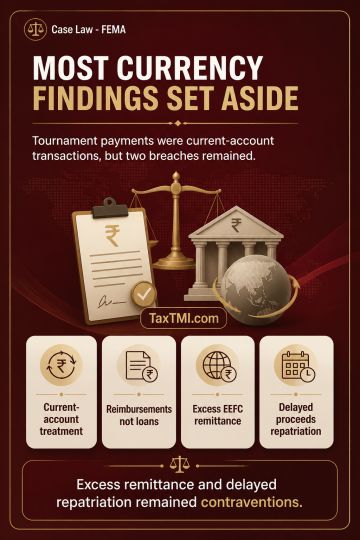
Current account treatment of overseas tournament services removed most FEMA findings, but excess EEFC remittance and delayed repatriation remained bre...
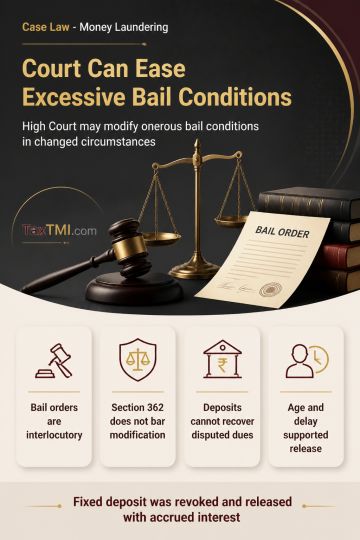
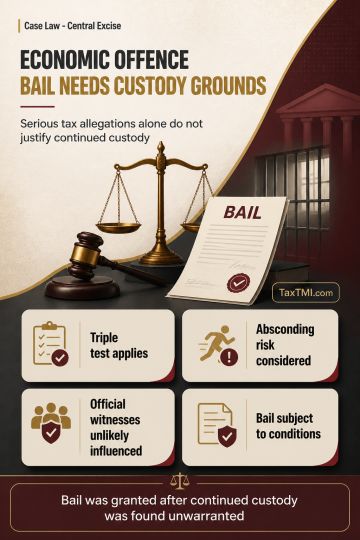
Modification of bail conditions remains available through inherent jurisdiction where onerous deposits undermine justice and cannot recover disputed d...
ITAT ruled in favor of the assessee, dismissing PCIT's revision petition under Section 263. The tribunal found that the assessing officer had conducted a comprehensive inquiry during original assessment proceedings, covering 25 detailed points including loan justifications. The key issues of unsecured interest-free loans and potential rental income were thoroughly examined. The tribunal emphasized that when the assessing officer adopts a legally permissible view, and two interpretations are possible, the order cannot be interfered with merely because another perspective exists. The court referenced precedents establishing that 263 proceedings are invalid when the initial assessment included proper enquiries and a plausible legal interpretation. Consequently, the PCIT's order was quashed and the assessee's appeal was allowed.
ITAT ruled in favor of the assessee, dismissing PCIT's revision petition under Section 263. The tribunal found that the assessing officer had conducted a comprehensive inquiry during original assessment proceedings, covering 25 detailed points including loan justifications. The key issues of unsecured interest-free loans and potential rental income were thoroughly examined. The tribunal emphasized that when the assessing officer adopts a legally permissible view, and two interpretations are possible, the order cannot be interfered with merely because another perspective exists. The court referenced precedents establishing that 263 proceedings are invalid when the initial assessment included proper enquiries and a plausible legal interpretation. Consequently, the PCIT's order was quashed and the assessee's appeal was allowed.
Note: It is a system-generated summary and is for quick reference only.
 TaxTMI
 of 4800









 Join Channel


 TaxTMI
