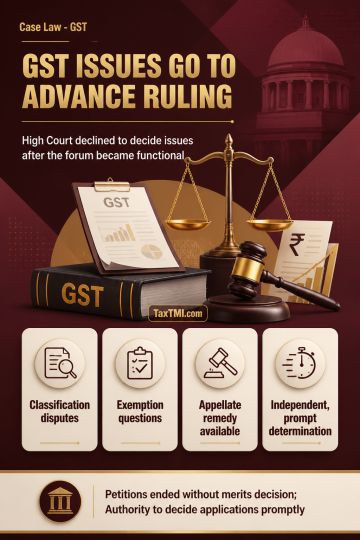
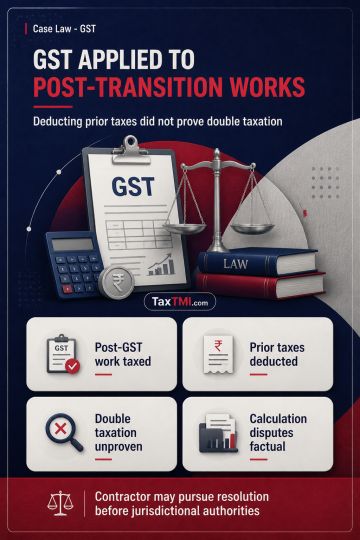
Advance-ruling mechanism governs pending GST classification, exemption and taxability disputes, limiting writ review once the specialised forum functi...
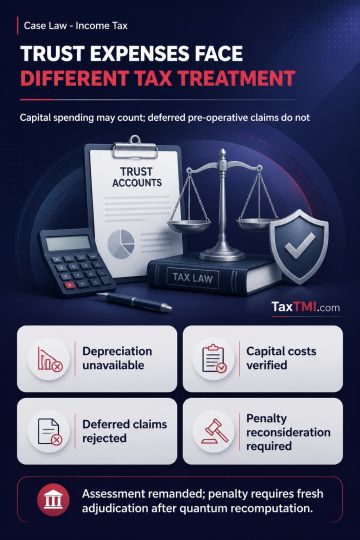
Charitable trust income application permits verified capital expenditure but rejects deferred pre-operative claims and requires reconsideration of con...
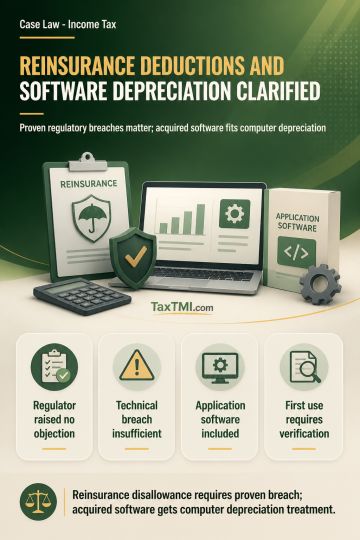
Reinsurance premium deductions require established regulatory breaches, while independently acquired software qualifies within the computer depreciati...
ITAT set aside Pr.CIT's order under section 263, finding procedural irregularities in reassessment proceedings. The tribunal determined that Pr.CIT exceeded jurisdictional limits by: (1) considering documents not available during original examination, (2) introducing issues beyond the original reassessment scope under section 147, and (3) improperly evaluating additional tax-related matters not part of initial proceedings. The tribunal emphasized that revisional powers must be exercised strictly based on records existing at the time of original assessment. Consequently, the entire proceedings were deemed ultra vires, with the appellate order partially allowing the assessee's appeal and nullifying the CIT's interventions.
ITAT set aside Pr.CIT's order under section 263, finding procedural irregularities in reassessment proceedings. The tribunal determined that Pr.CIT exceeded jurisdictional limits by: (1) considering documents not available during original examination, (2) introducing issues beyond the original reassessment scope under section 147, and (3) improperly evaluating additional tax-related matters not part of initial proceedings. The tribunal emphasized that revisional powers must be exercised strictly based on records existing at the time of original assessment. Consequently, the entire proceedings were deemed ultra vires, with the appellate order partially allowing the assessee's appeal and nullifying the CIT's interventions.
Note: It is a system-generated summary and is for quick reference only.
 TaxTMI
 of 4798



 Join Channel


 TaxTMI
