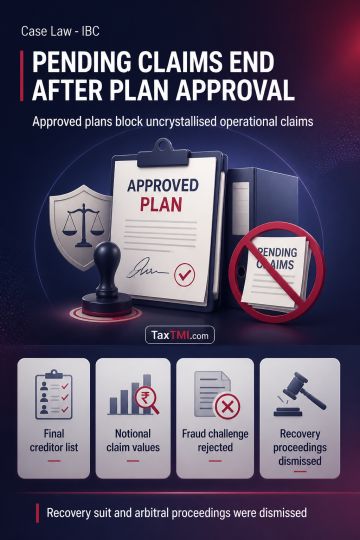
Clean slate principle extinguishes uncrystallised operational claims and bars continuation of pending recovery and arbitral proceedings after plan app...
Works contract classification governs composite layout-development contracts where VAT-paid goods are transferred alongside construction and infrastru...
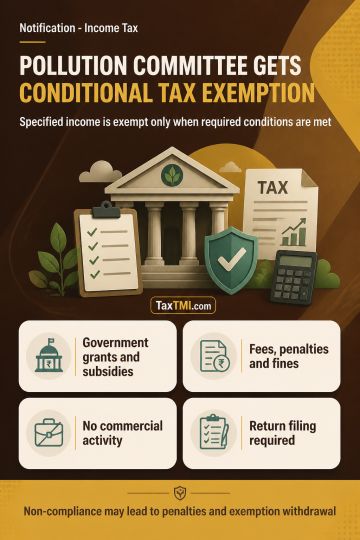
Specified income tax exemption for pollution control body remains conditional on non-commercial activity, unchanged income character, and return filin...
Jurisdictional facts in certificate-of-origin discrepancies can support customs show-cause proceedings, leaving factual explanations for departmental ...
ITAT allowed the taxpayer's claim for deduction of expenditure incurred in an abandoned project, recognizing that the project abandonment was due to reasons beyond the assessee's control. The tribunal held that the written-off expenses under 'work in progress' were commercially justified and not subject to tax authority scrutiny. The tribunal directed the Assessing Officer to delete the disallowance in both the section 143(1) intimation and section 143(3) assessment order, effectively permitting the expenditure deduction based on the commercial reasonableness of the assessee's decision.
ITAT allowed the taxpayer's claim for deduction of expenditure incurred in an abandoned project, recognizing that the project abandonment was due to reasons beyond the assessee's control. The tribunal held that the written-off expenses under 'work in progress' were commercially justified and not subject to tax authority scrutiny. The tribunal directed the Assessing Officer to delete the disallowance in both the section 143(1) intimation and section 143(3) assessment order, effectively permitting the expenditure deduction based on the commercial reasonableness of the assessee's decision.
Note: It is a system-generated summary and is for quick reference only.
 TaxTMI
 of 4798














 Join Channel


 TaxTMI