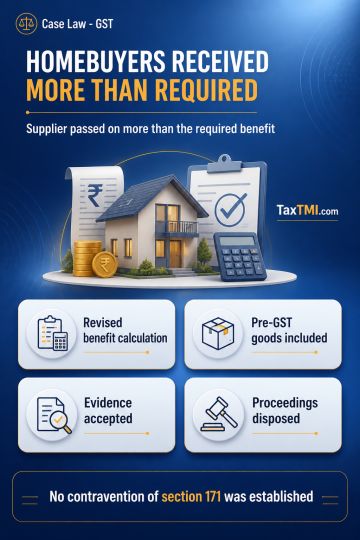
Necessary-party requirements limit impleadment of independent entities, while deferred consideration does not create an appealable adverse determinati...
Food supplement classification requires common parlance and authoritative tests, preventing treatment as proprietary Ayurvedic medicines without suppo...
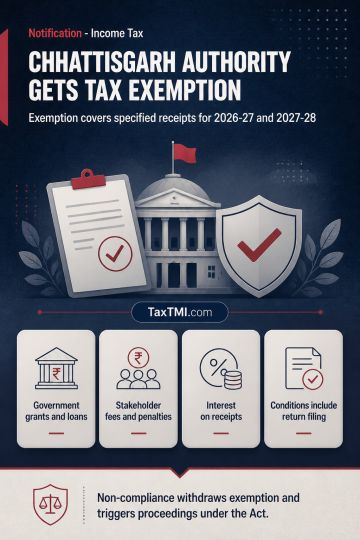
Specified regulatory authority income receives conditional tax exemption, subject to non-commercial activity, unchanged income character, and return f...
Tax exemption for regulatory authority income applies retrospectively, subject to non-commercial activity, unchanged income sources, and return-filing...
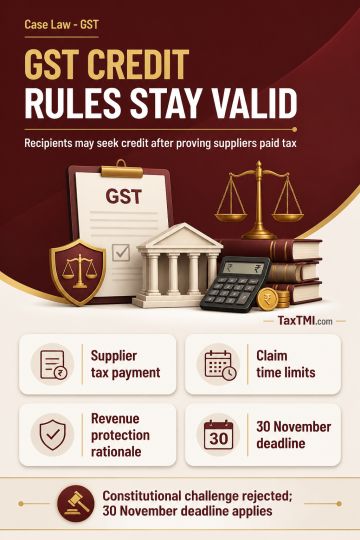
Input tax credit conditions remain constitutionally valid, with eligible recipient claims considered under GST circulars and retrospective filing dead...
HC held that the assessment order dated 13.12.2023 was not time-barred due to successive government notifications extending the statutory time limit for GST assessment proceedings for FY 2017-18. Specifically, notifications dated 21.07.2022 and 24.04.2023 extended the time limit to 31.12.2023, rendering the impugned order legally valid. Since the order was passed within the extended timeline and the notifications were not challenged, the writ petition was deemed non-maintainable, with the statutory remedy of appeal being the appropriate recourse. Consequently, the HC dismissed the petition.
HC held that the assessment order dated 13.12.2023 was not time-barred due to successive government notifications extending the statutory time limit for GST assessment proceedings for FY 2017-18. Specifically, notifications dated 21.07.2022 and 24.04.2023 extended the time limit to 31.12.2023, rendering the impugned order legally valid. Since the order was passed within the extended timeline and the notifications were not challenged, the writ petition was deemed non-maintainable, with the statutory remedy of appeal being the appropriate recourse. Consequently, the HC dismissed the petition.
Note: It is a system-generated summary and is for quick reference only.
 TaxTMI
 of 4805












 Join Channel


 TaxTMI