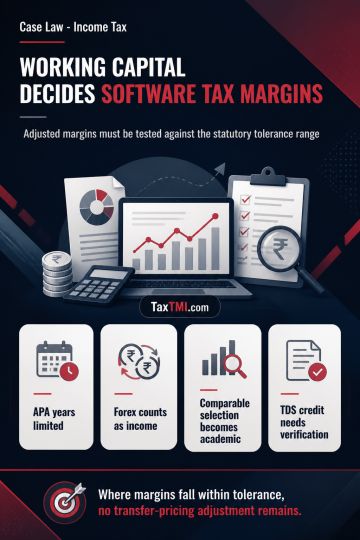
Working-capital adjustment determines whether software-services transfer-pricing margins fall within the statutory tolerance range, eliminating any ad...
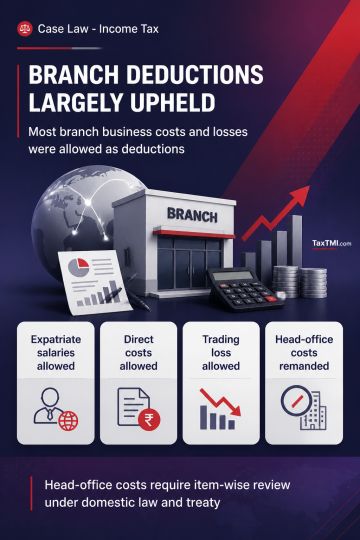
Permanent establishment deductions upheld for expatriate salaries, direct costs and trading losses, while head-office costs require fresh classificati...
Data transmission equipment classification under CTSH 8517 62 remains distinct from residual classification, with exemption evidence requiring scrutin...
NCLAT held that the operational creditor's Section 9 application was not maintainable due to failure to meet the statutory threshold limit of Rs 1 crore. The tribunal found prima facie evidence of suppressed payments and manipulated ledger accounts. By factoring in subsequent payments made by the corporate debtor after the critical date, the outstanding debt fell below the prescribed minimum limit. The appellate tribunal determined that the adjudicating authority was misled into initiating corporate insolvency resolution process (CIRP) ex parte. Consequently, the appeal was admitted, and the CIRP triggering was deemed unwarranted, effectively setting aside the earlier order.
NCLAT held that the operational creditor's Section 9 application was not maintainable due to failure to meet the statutory threshold limit of Rs 1 crore. The tribunal found prima facie evidence of suppressed payments and manipulated ledger accounts. By factoring in subsequent payments made by the corporate debtor after the critical date, the outstanding debt fell below the prescribed minimum limit. The appellate tribunal determined that the adjudicating authority was misled into initiating corporate insolvency resolution process (CIRP) ex parte. Consequently, the appeal was admitted, and the CIRP triggering was deemed unwarranted, effectively setting aside the earlier order.
Note: It is a system-generated summary and is for quick reference only.
 TaxTMI
 of 4805















 Join Channel


 TaxTMI