Transfer pricing and tax deductions upheld on established principles, while employee contributions and warranty provisions returned for fresh examinat...
Captive transfer pricing relies on industrial consumer tariffs, while genuine quotations can benchmark effluent treatment transfers under the Other Me...
Specific tariff classification for ophthalmic instruments and extended limitation principles determine the treatment of duty demands, confiscation, an...
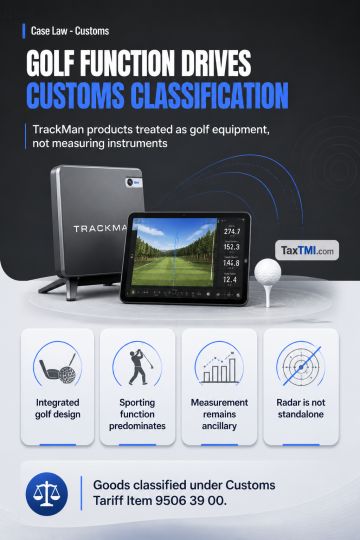
Integrated golf function determines classification, placing launch monitors and simulators under other golf equipment rather than measuring instrument...
Public servant status under anti-corruption law extends to recognised stock exchange leadership; constitutional and sanction challenges do not succeed...
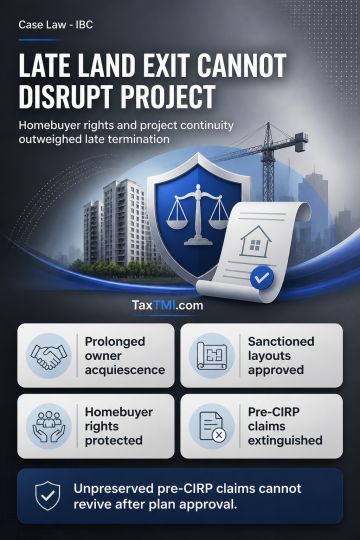
Acquiescence, homebuyer protection and clean-slate resolution principles prevent landowners from disrupting an integrated project through late termina...
ITAT addressed exemption under Section 11 for a public charitable trust. The tribunal examined whether sale of devotional articles constitutes a business activity disqualifying tax exemption. Despite revenue's argument that surplus income from sales negates exemption, ITAT found the trust's primary activities remained charitable, including feeding poor, providing education, and medical relief. The tribunal noted majority of income derived from donations and interest. Referencing SC precedent, ITAT determined sales at nominal cost do not automatically transform charitable activities into business. Administrative expenses and overall charitable objectives were considered. CIT(A)'s original exemption was upheld, and revenue's appeal was dismissed.
ITAT addressed exemption under Section 11 for a public charitable trust. The tribunal examined whether sale of devotional articles constitutes a business activity disqualifying tax exemption. Despite revenue's argument that surplus income from sales negates exemption, ITAT found the trust's primary activities remained charitable, including feeding poor, providing education, and medical relief. The tribunal noted majority of income derived from donations and interest. Referencing SC precedent, ITAT determined sales at nominal cost do not automatically transform charitable activities into business. Administrative expenses and overall charitable objectives were considered. CIT(A)'s original exemption was upheld, and revenue's appeal was dismissed.
Note: It is a system-generated summary and is for quick reference only.
 TaxTMI
 of 4805
















 Join Channel


 TaxTMI