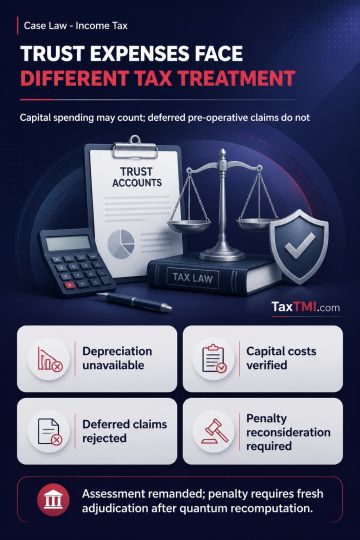
Charitable trust income application permits verified capital expenditure but rejects deferred pre-operative claims and requires reconsideration of con...
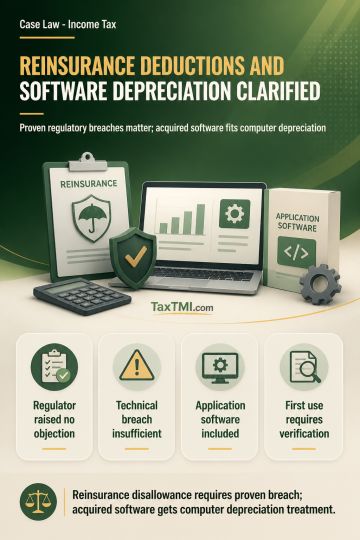
Reinsurance premium deductions require established regulatory breaches, while independently acquired software qualifies within the computer depreciati...
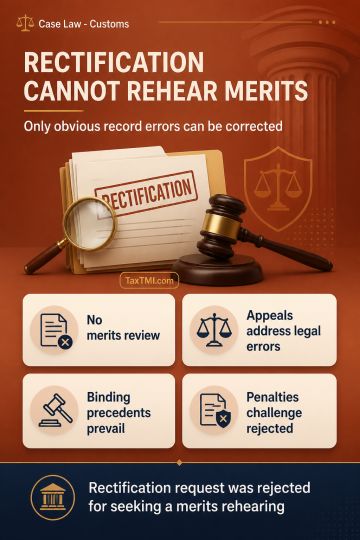
Rectification of mistake remains limited to self-evident record errors, preventing merits review through miscellaneous applications and preserving fin...
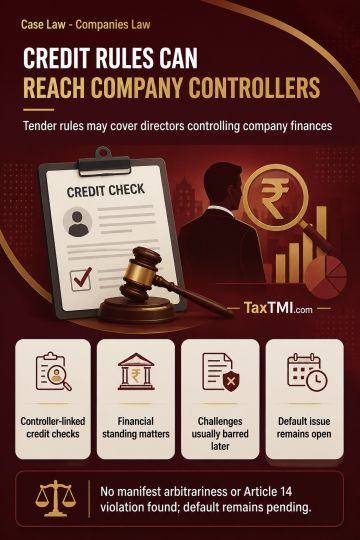
Tender creditworthiness conditions may extend to de facto Promoter Directors, with post-participation challenges generally barred absent arbitrariness...
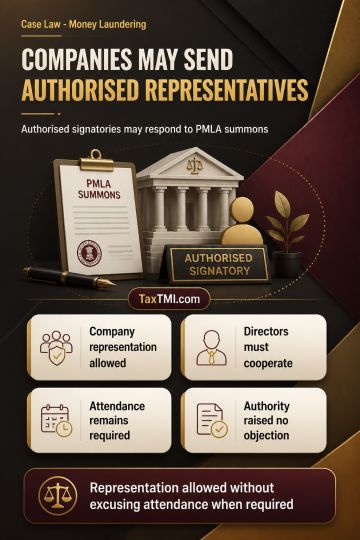
Corporate representation in PMLA summons proceedings permitted through an authorised signatory, subject to directors' continuing cooperation and atten...
Page of 4801
Press 'Enter' after typing page number.
861 to 880 of 96001 Results
❮
❯
❯❯
0 / 200
Expand Note
Add to Folder
No Folders have been created
+
Are you sure you want to delete "My most important" ?
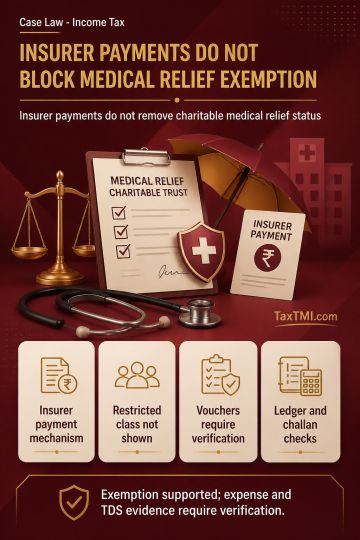
ITAT addressed exemption under Section 11 for a public charitable trust. The tribunal examined whether sale of devotional articles constitutes a business activity disqualifying tax exemption. Despite revenue's argument that surplus income from sales negates exemption, ITAT found the trust's primary activities remained charitable, including feeding poor, providing education, and medical relief. The tribunal noted majority of income derived from donations and interest. Referencing SC precedent, ITAT determined sales at nominal cost do not automatically transform charitable activities into business. Administrative expenses and overall charitable objectives were considered. CIT(A)'s original exemption was upheld, and revenue's appeal was dismissed.
ITAT addressed exemption under Section 11 for a public charitable trust. The tribunal examined whether sale of devotional articles constitutes a business activity disqualifying tax exemption. Despite revenue's argument that surplus income from sales negates exemption, ITAT found the trust's primary activities remained charitable, including feeding poor, providing education, and medical relief. The tribunal noted majority of income derived from donations and interest. Referencing SC precedent, ITAT determined sales at nominal cost do not automatically transform charitable activities into business. Administrative expenses and overall charitable objectives were considered. CIT(A)'s original exemption was upheld, and revenue's appeal was dismissed.
Note: It is a system-generated summary and is for quick reference only.
 TaxTMI
 of 4801



 Join Channel


 TaxTMI
