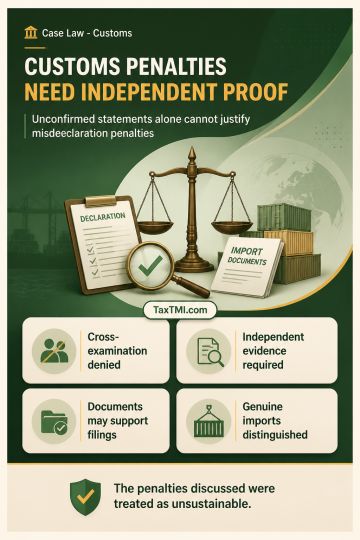
Cross-examination rights and corroborated evidence limit customs penalties for misdeclaration in genuine import transactions involving documented clea...
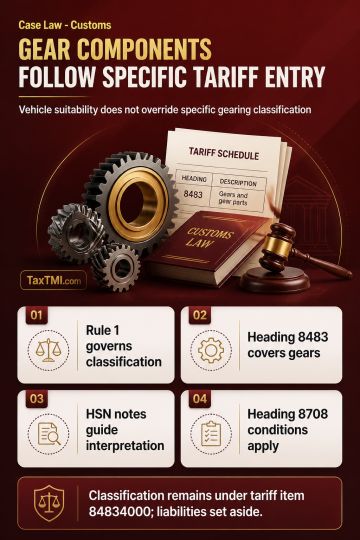
Tariff classification of vehicle gear components follows the specific gearing entry, displacing motor-vehicle parts classification and related liabili...
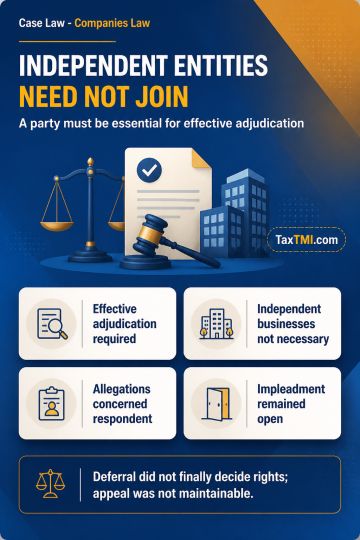
Necessary-party requirements limit impleadment of independent entities, while deferred consideration does not create an appealable adverse determinati...
Food supplement classification requires common parlance and authoritative tests, preventing treatment as proprietary Ayurvedic medicines without suppo...
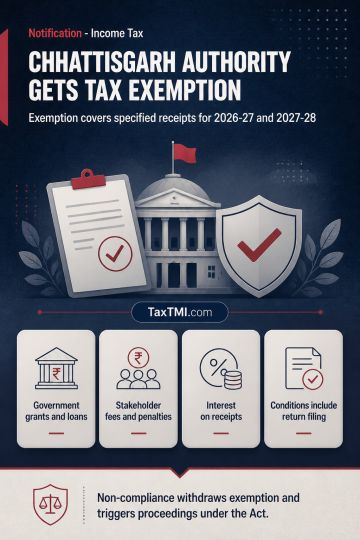
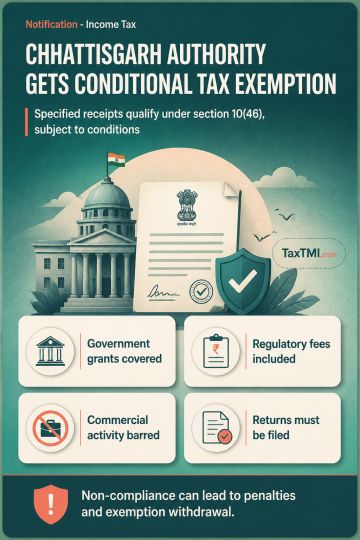
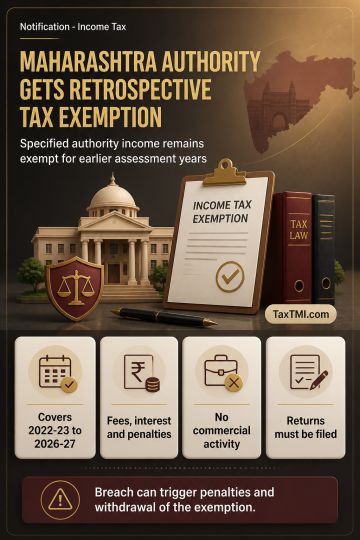
Specified regulatory authority income receives conditional tax exemption, subject to non-commercial activity, unchanged income character, and return f...
Tax exemption for regulatory authority income applies retrospectively, subject to non-commercial activity, unchanged income sources, and return-filing...
ITAT addressed exemption under Section 11 for a public charitable trust. The tribunal examined whether sale of devotional articles constitutes a business activity disqualifying tax exemption. Despite revenue's argument that surplus income from sales negates exemption, ITAT found the trust's primary activities remained charitable, including feeding poor, providing education, and medical relief. The tribunal noted majority of income derived from donations and interest. Referencing SC precedent, ITAT determined sales at nominal cost do not automatically transform charitable activities into business. Administrative expenses and overall charitable objectives were considered. CIT(A)'s original exemption was upheld, and revenue's appeal was dismissed.
ITAT addressed exemption under Section 11 for a public charitable trust. The tribunal examined whether sale of devotional articles constitutes a business activity disqualifying tax exemption. Despite revenue's argument that surplus income from sales negates exemption, ITAT found the trust's primary activities remained charitable, including feeding poor, providing education, and medical relief. The tribunal noted majority of income derived from donations and interest. Referencing SC precedent, ITAT determined sales at nominal cost do not automatically transform charitable activities into business. Administrative expenses and overall charitable objectives were considered. CIT(A)'s original exemption was upheld, and revenue's appeal was dismissed.
Note: It is a system-generated summary and is for quick reference only.
 TaxTMI
 of 4798





 Join Channel


 TaxTMI

