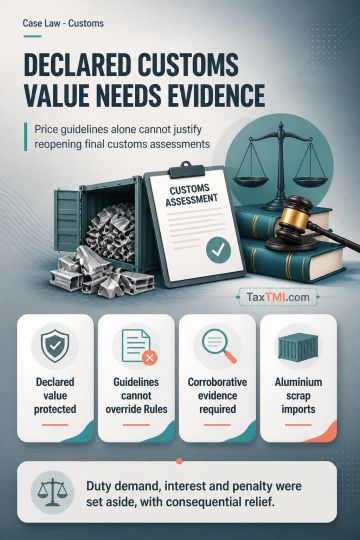
Transaction value cannot be rejected solely on non-statutory valuation guidelines without corroborative evidence supporting reassessment of final cust...
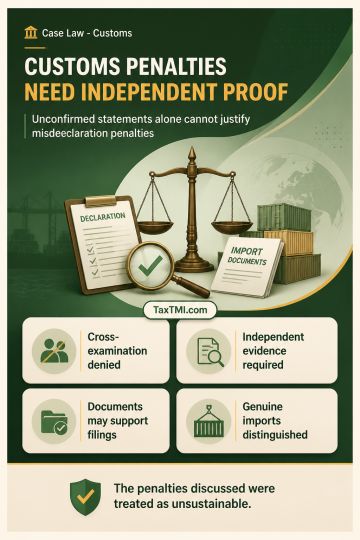
Cross-examination rights and corroborated evidence limit customs penalties for misdeclaration in genuine import transactions involving documented clea...
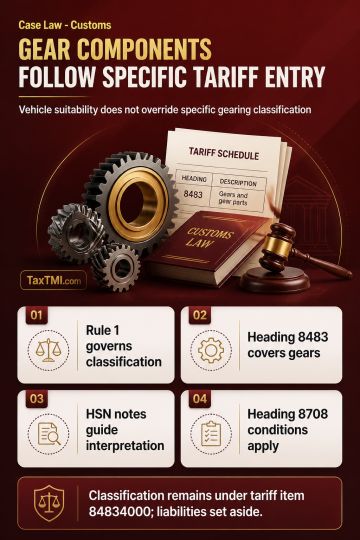
Tariff classification of vehicle gear components follows the specific gearing entry, displacing motor-vehicle parts classification and related liabili...
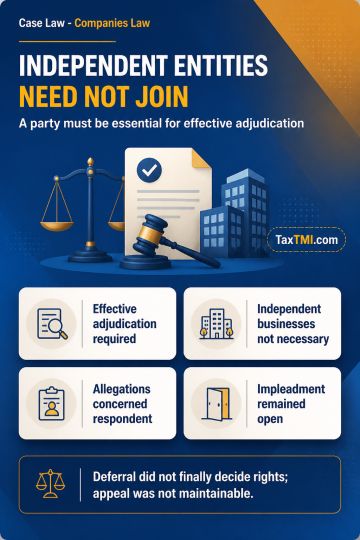
Necessary-party requirements limit impleadment of independent entities, while deferred consideration does not create an appealable adverse determinati...
Food supplement classification requires common parlance and authoritative tests, preventing treatment as proprietary Ayurvedic medicines without suppo...
CESTAT adjudicated a dispute regarding seized traveller's cheques, finding the customs department's encashment and retention of funds arbitrary. The tribunal determined that the cheques, being non-perishable dollar-denominated instruments, should have been handled with greater procedural care. Critically, the court ruled that the appellant was entitled to interest on the deposited amount from the date of deposit, less redemption fines and penalties, with payment mandated within two months. The decision emphasized preventing unjust enrichment and protecting property rights by recognizing the potential financial loss to the appellant due to unauthorized fund retention. Appeal was allowed, directing monetary compensation to the appellant.
CESTAT adjudicated a dispute regarding seized traveller's cheques, finding the customs department's encashment and retention of funds arbitrary. The tribunal determined that the cheques, being non-perishable dollar-denominated instruments, should have been handled with greater procedural care. Critically, the court ruled that the appellant was entitled to interest on the deposited amount from the date of deposit, less redemption fines and penalties, with payment mandated within two months. The decision emphasized preventing unjust enrichment and protecting property rights by recognizing the potential financial loss to the appellant due to unauthorized fund retention. Appeal was allowed, directing monetary compensation to the appellant.
Note: It is a system-generated summary and is for quick reference only.
 TaxTMI
 of 4801









 Join Channel


 TaxTMI
