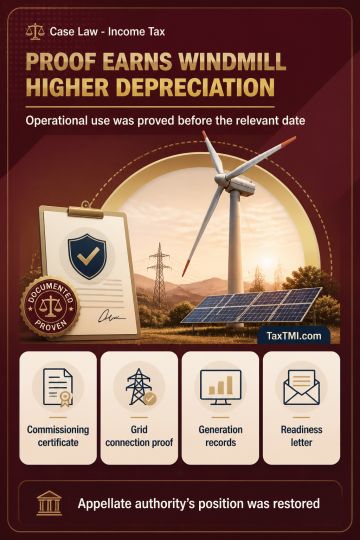
Windmill commissioning evidence supported higher depreciation where grid connection and electricity generation proved operational use before the relev...
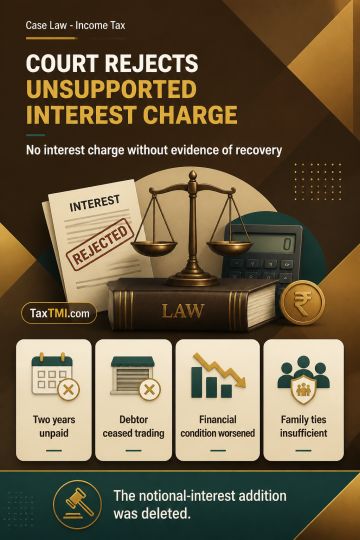
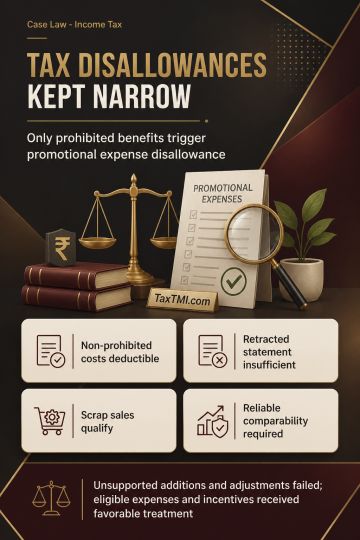
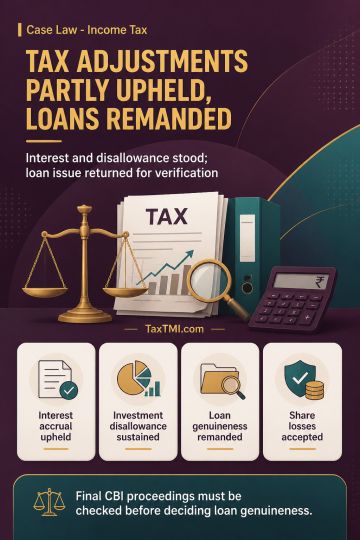
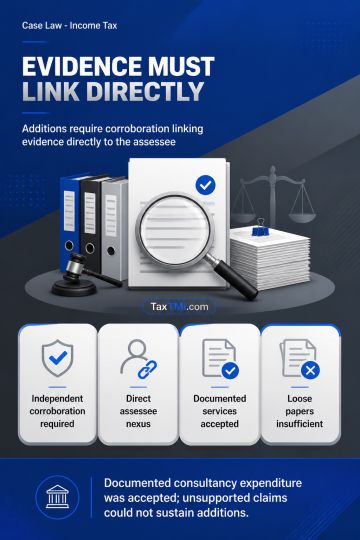
Pharmaceutical promotion and transfer-pricing comparability principles limited disallowances, while uncorroborated search allegations and unsupported ...
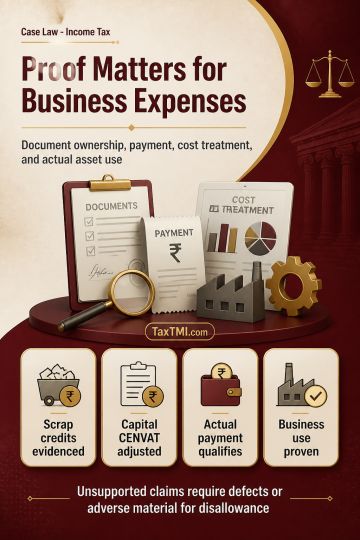
Business expenditure substantiation supports scrap credits, statutory payments and expense claims, while depreciation requires proof of actual busines...
CESTAT allowed the appellant's appeal, finding that denial of CENVAT credit was improper. The tribunal determined that non-filing of ST-3 returns was not intentional but resulted from technical issues beyond the appellant's control, specifically delayed provision of login credentials by the department. The adjudicating authority and appellate commissioner erroneously disallowed CENVAT credit without properly considering the appellant's circumstances. The tribunal emphasized that statutory CENVAT credit benefits cannot be withdrawn merely due to procedural non-compliance when the failure was not willful. The show cause notice was deemed deficient as it failed to quantify the service tax amount, further supporting the appellant's position.
CESTAT allowed the appellant's appeal, finding that denial of CENVAT credit was improper. The tribunal determined that non-filing of ST-3 returns was not intentional but resulted from technical issues beyond the appellant's control, specifically delayed provision of login credentials by the department. The adjudicating authority and appellate commissioner erroneously disallowed CENVAT credit without properly considering the appellant's circumstances. The tribunal emphasized that statutory CENVAT credit benefits cannot be withdrawn merely due to procedural non-compliance when the failure was not willful. The show cause notice was deemed deficient as it failed to quantify the service tax amount, further supporting the appellant's position.
Note: It is a system-generated summary and is for quick reference only.
 TaxTMI
 of 4803




 Join Channel


 TaxTMI
