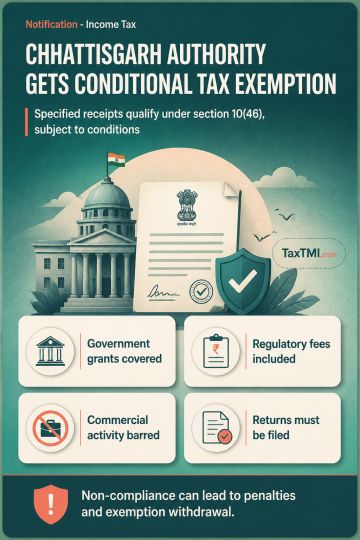
Specified regulatory authority income receives conditional tax exemption, subject to non-commercial activity, unchanged income character, and return f...
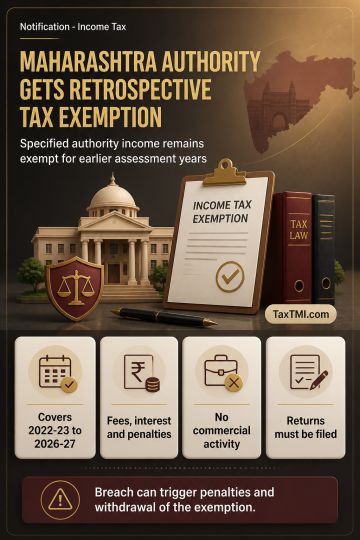
Tax exemption for regulatory authority income applies retrospectively, subject to non-commercial activity, unchanged income sources, and return-filing...
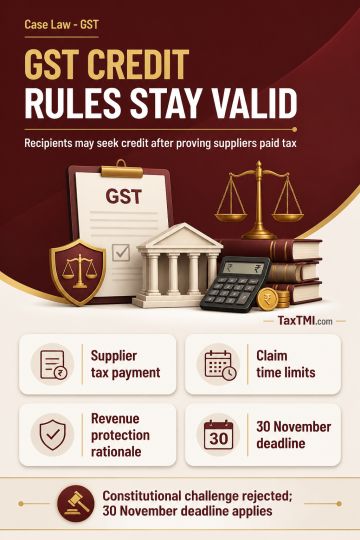
Input tax credit conditions remain constitutionally valid, with eligible recipient claims considered under GST circulars and retrospective filing dead...
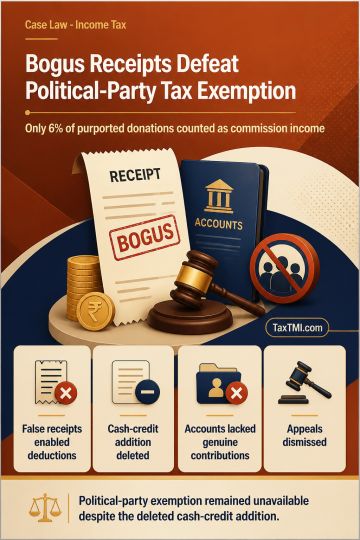
Bogus donation receipts justified commission income assessment and defeated political-party tax exemption for inaccurate accounts and reporting failur...
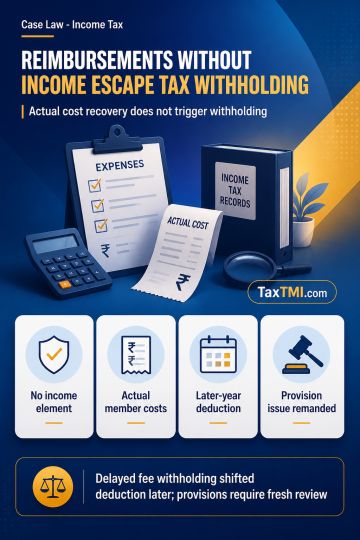
Pure reimbursement without income element escapes tax withholding, while delayed withholding and unsupported provisions face deferred or renewed scrut...
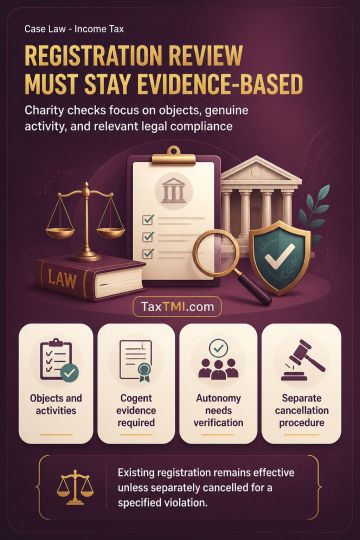
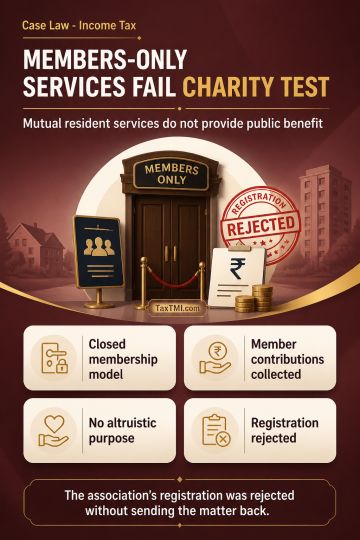
Public benefit requirement defeats charitable registration where residents' association services are reciprocal, member-only facilities governed by mu...
SC analyzed a cheque dishonour case under Negotiable Instruments Act Sections 118(a) and 139. The Court held that while presumptions under these sections are rebuttable, the complainant failed to substantiate the claim of an enforceable debt. Despite alleging cheque issuance in presence of well-wishers, no corroborative evidence was produced, such as income tax documents or accounting records. The accused successfully discharged the burden of proof by raising a probable defense. Consequently, the SC upheld the Trial Court's original acquittal order and reversed the High Court's judgment, thereby allowing the appeal in favor of the accused.
SC analyzed a cheque dishonour case under Negotiable Instruments Act Sections 118(a) and 139. The Court held that while presumptions under these sections are rebuttable, the complainant failed to substantiate the claim of an enforceable debt. Despite alleging cheque issuance in presence of well-wishers, no corroborative evidence was produced, such as income tax documents or accounting records. The accused successfully discharged the burden of proof by raising a probable defense. Consequently, the SC upheld the Trial Court's original acquittal order and reversed the High Court's judgment, thereby allowing the appeal in favor of the accused.
Note: It is a system-generated summary and is for quick reference only.
 TaxTMI
 of 4800



 Join Channel


 TaxTMI