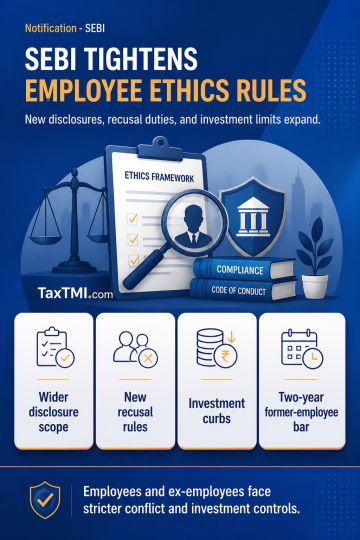
Employee conflict disclosures and investment restrictions expand with new recusal duties, post-employment limits, and compliance reporting requirement...
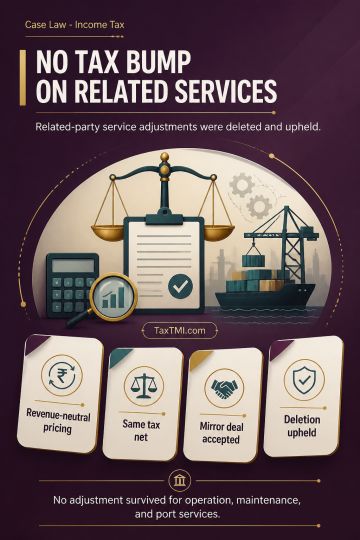
Revenue-neutral domestic transfer pricing and mirror transactions justified deletion of related-party adjustments for operation, maintenance and port ...
SC held that the plaint must be rejected under Order VII Rule 11(a) and (d) CPC due to absence of cause of action. An agreement to sell does not confer substantive rights against third-party possessors, and the proposed purchaser cannot institute a suit against parties in possession. The court emphasized that without a registered sale deed, the purchaser lacks legal standing to challenge ownership or possession. The appeal was allowed, setting aside lower court orders, with implications for preventing speculative litigation and protecting institutional interests from resource-draining legal proceedings.
SC held that the plaint must be rejected under Order VII Rule 11(a) and (d) CPC due to absence of cause of action. An agreement to sell does not confer substantive rights against third-party possessors, and the proposed purchaser cannot institute a suit against parties in possession. The court emphasized that without a registered sale deed, the purchaser lacks legal standing to challenge ownership or possession. The appeal was allowed, setting aside lower court orders, with implications for preventing speculative litigation and protecting institutional interests from resource-draining legal proceedings.
Note: It is a system-generated summary and is for quick reference only.
 TaxTMI
 of 4805






 Join Channel


 TaxTMI
