Origin Declaration authentication governs preferential tariff claims under India-UK CETA, requiring a validated reference number before import clearan...
Separate assessment orders for different years remain valid when distinct notices and hearing opportunities prevent prejudice from combined proceeding...
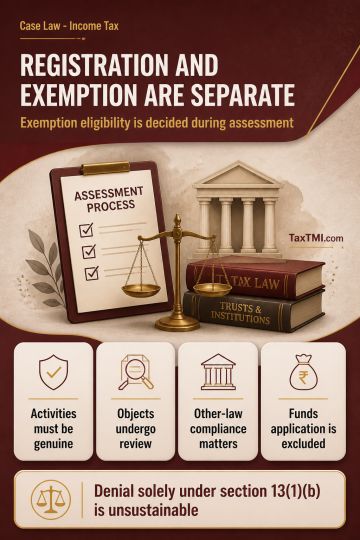
Defined public benefit can retain charitable character; registration renewal requires examining genuine activities and legal compliance, not surplus a...
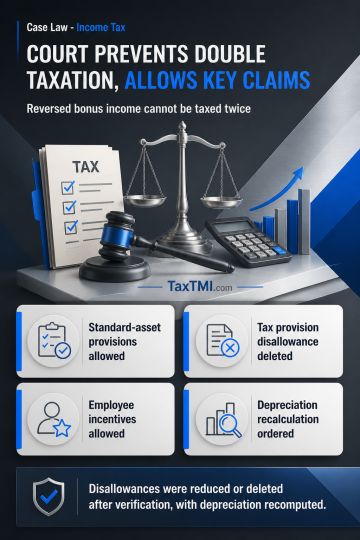
Capital reduction is distinct from share buy-back, preventing buy-back tax; restructuring interest and related business deductions also survive scruti...
SC held that the plaint must be rejected under Order VII Rule 11(a) and (d) CPC due to absence of cause of action. An agreement to sell does not confer substantive rights against third-party possessors, and the proposed purchaser cannot institute a suit against parties in possession. The court emphasized that without a registered sale deed, the purchaser lacks legal standing to challenge ownership or possession. The appeal was allowed, setting aside lower court orders, with implications for preventing speculative litigation and protecting institutional interests from resource-draining legal proceedings.
SC held that the plaint must be rejected under Order VII Rule 11(a) and (d) CPC due to absence of cause of action. An agreement to sell does not confer substantive rights against third-party possessors, and the proposed purchaser cannot institute a suit against parties in possession. The court emphasized that without a registered sale deed, the purchaser lacks legal standing to challenge ownership or possession. The appeal was allowed, setting aside lower court orders, with implications for preventing speculative litigation and protecting institutional interests from resource-draining legal proceedings.
Note: It is a system-generated summary and is for quick reference only.
 TaxTMI
 of 4803
















 Join Channel


 TaxTMI
