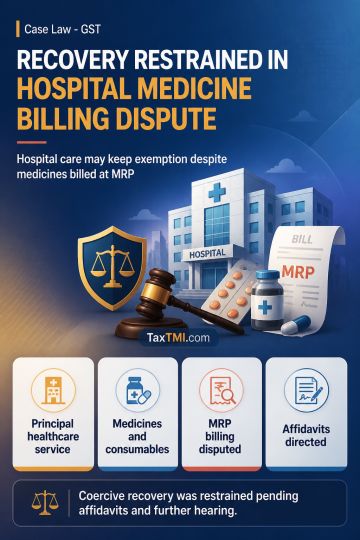
Composite inpatient healthcare supply may retain exemption despite MRP medicine billing, while separate taxable sale characterisation remains disputed...
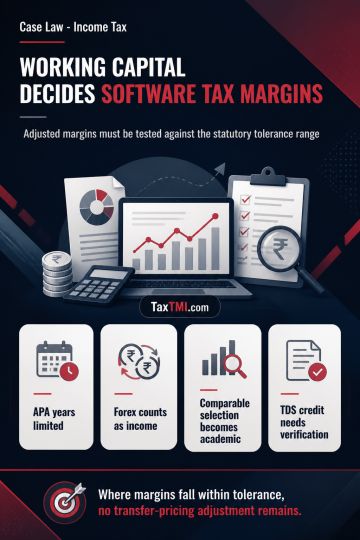
Working-capital adjustment determines whether software-services transfer-pricing margins fall within the statutory tolerance range, eliminating any ad...
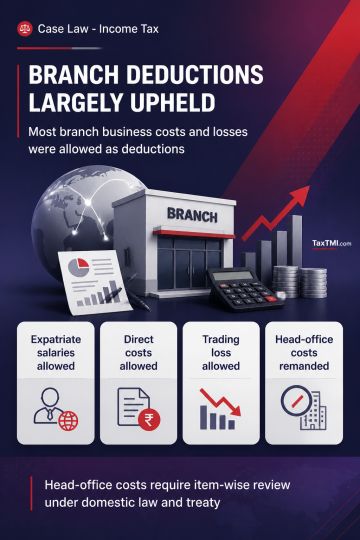
Permanent establishment deductions upheld for expatriate salaries, direct costs and trading losses, while head-office costs require fresh classificati...
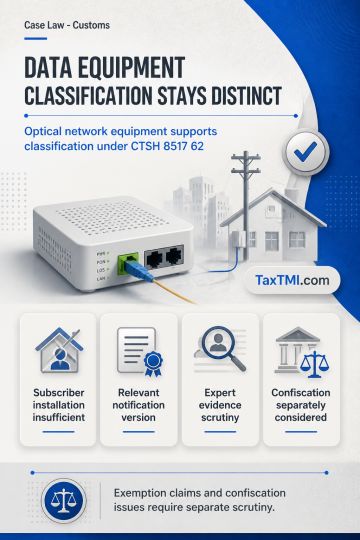
Data transmission equipment classification under CTSH 8517 62 remains distinct from residual classification, with exemption evidence requiring scrutin...
SC held that the plaint must be rejected under Order VII Rule 11(a) and (d) CPC due to absence of cause of action. An agreement to sell does not confer substantive rights against third-party possessors, and the proposed purchaser cannot institute a suit against parties in possession. The court emphasized that without a registered sale deed, the purchaser lacks legal standing to challenge ownership or possession. The appeal was allowed, setting aside lower court orders, with implications for preventing speculative litigation and protecting institutional interests from resource-draining legal proceedings.
SC held that the plaint must be rejected under Order VII Rule 11(a) and (d) CPC due to absence of cause of action. An agreement to sell does not confer substantive rights against third-party possessors, and the proposed purchaser cannot institute a suit against parties in possession. The court emphasized that without a registered sale deed, the purchaser lacks legal standing to challenge ownership or possession. The appeal was allowed, setting aside lower court orders, with implications for preventing speculative litigation and protecting institutional interests from resource-draining legal proceedings.
Note: It is a system-generated summary and is for quick reference only.
 TaxTMI
 of 4803



 Join Channel


 TaxTMI
