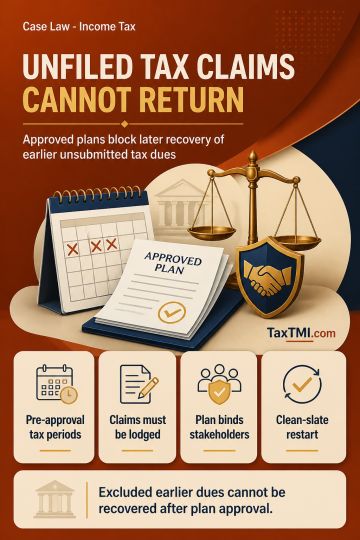
Approved resolution plans extinguish unsubmitted pre-approval tax claims, preventing later recovery outside the insolvency process and preserving a cl...
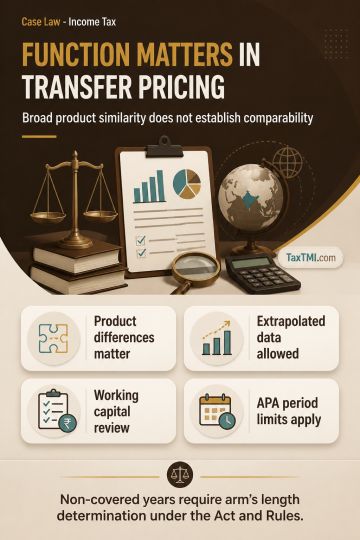
Transfer pricing comparability requires functional alignment and permits working capital adjustment, while APA margins cannot govern non-covered years...
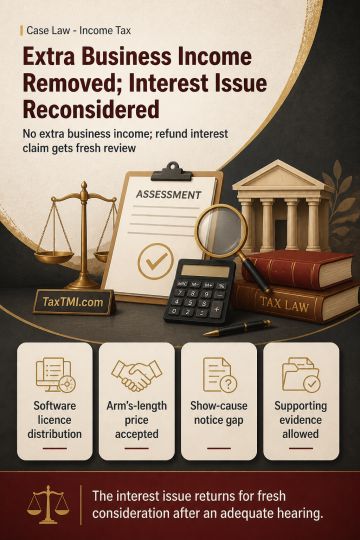
Treaty benefit, goodwill depreciation and hedging costs: export commission disallowed, while key business deductions and depreciation claims succeeded...
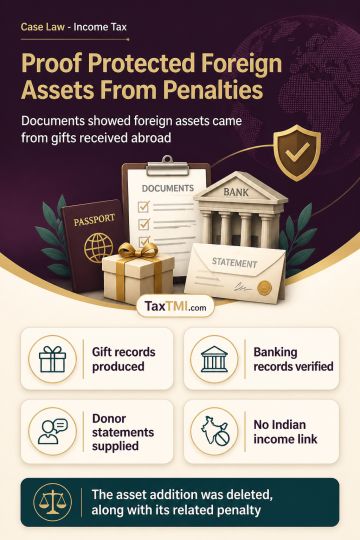
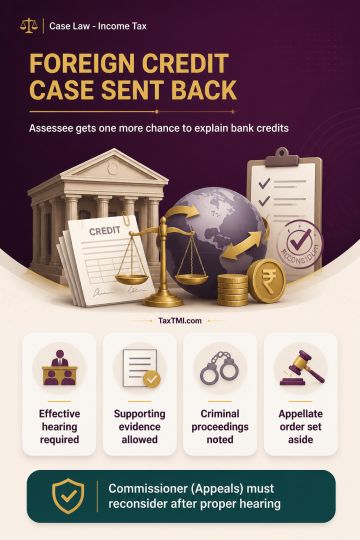
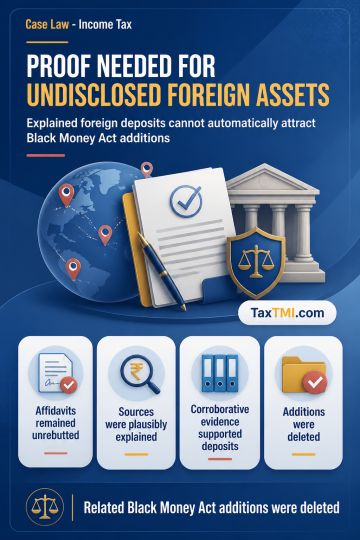
Undisclosed foreign asset classification requires an unexplained source; unrebutted affidavits and corroborative evidence defeated the Black Money Act...
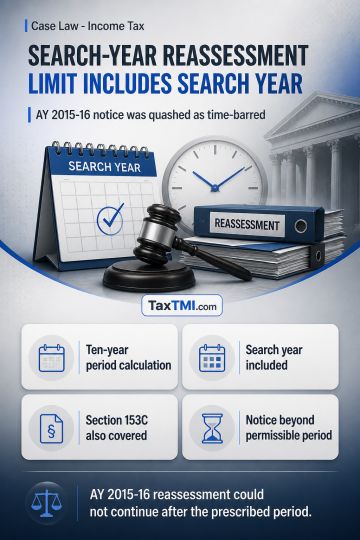
The HC upheld the validity of a reassessment notice under Section 148 of the Income Tax Act, determining that the notice issued on 30.07.2022 was within the prescribed limitation period. The court excluded the period from 31.03.2021 to 02.06.2022 for limitation computation, based on Supreme Court precedents in Rajeev Bansal and Ashish Agarwal cases. The notice for Assessment Year 2015-2016 was deemed timely, as the original notice dated 31.03.2021 transformed into a valid notice under the new regime effective 01.04.2021, with the extended limitation period being applicable. Consequently, the court rejected all challenges to the reassessment proceedings.
The HC upheld the validity of a reassessment notice under Section 148 of the Income Tax Act, determining that the notice issued on 30.07.2022 was within the prescribed limitation period. The court excluded the period from 31.03.2021 to 02.06.2022 for limitation computation, based on Supreme Court precedents in Rajeev Bansal and Ashish Agarwal cases. The notice for Assessment Year 2015-2016 was deemed timely, as the original notice dated 31.03.2021 transformed into a valid notice under the new regime effective 01.04.2021, with the extended limitation period being applicable. Consequently, the court rejected all challenges to the reassessment proceedings.
Note: It is a system-generated summary and is for quick reference only.
 TaxTMI
 of 4803






 Join Channel


 TaxTMI