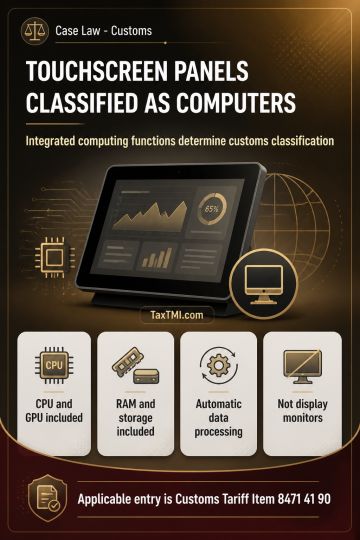
Interactive touchscreen panels with integrated computing functions fall under automatic data-processing machines rather than display monitors for cust...
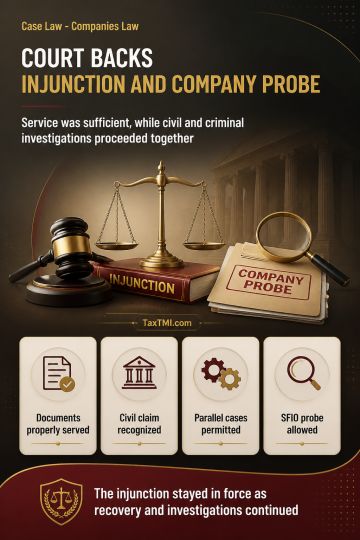
Ex parte injunction service requirements were substantially met, while civil recovery and SFIO investigation into provident fund defalcation continued...
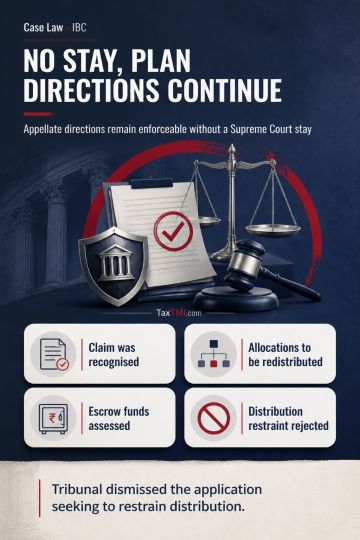
Enforcement of resolution-plan directions continues without a Supreme Court stay, preventing suspension of redistribution and escrowed-fund distributi...
Third-party ownership claims over attached property require Special Court adjudication where purchasers lack registered sale deeds and bona fides rema...
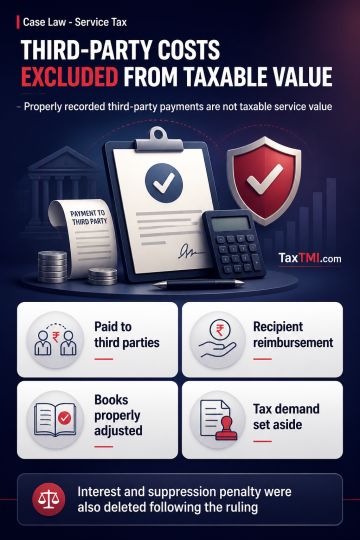
Pure-agent reimbursements in clearing and forwarding services are excluded from taxable value when qualifying third-party payments are properly record...
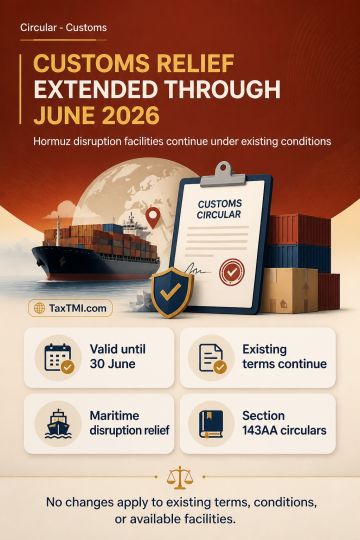
Customs relief for Strait of Hormuz maritime disruptions remains available, with existing conditions continuing unchanged through the extended validit...
The ITAT rejected the assessee's books of accounts as unreliable and estimated business profits at 2.21% instead of the 0.47% originally returned. The Tribunal upheld the CIT(A)'s decision based on identical circumstances found in a sister concern's case. The Tribunal rejected the Revenue's argument for a higher profit rate and found the proposed comparable entity to be in a different business line. The Tribunal clarified that the estimated income should subsume previous disallowances to prevent double taxation, ensuring the total income computation matches the 2.21% of turnover estimation. Consequently, the Tribunal upheld the CIT(A)'s order, rejecting separate additions for unaccounted sales and unexplained expenditure as these were already incorporated in the profit estimation.
The ITAT rejected the assessee's books of accounts as unreliable and estimated business profits at 2.21% instead of the 0.47% originally returned. The Tribunal upheld the CIT(A)'s decision based on identical circumstances found in a sister concern's case. The Tribunal rejected the Revenue's argument for a higher profit rate and found the proposed comparable entity to be in a different business line. The Tribunal clarified that the estimated income should subsume previous disallowances to prevent double taxation, ensuring the total income computation matches the 2.21% of turnover estimation. Consequently, the Tribunal upheld the CIT(A)'s order, rejecting separate additions for unaccounted sales and unexplained expenditure as these were already incorporated in the profit estimation.
Note: It is a system-generated summary and is for quick reference only.
 TaxTMI
 of 4788









 Join Channel


 TaxTMI