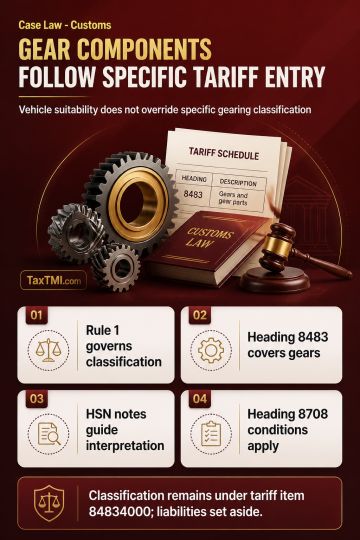
Tariff classification of vehicle gear components follows the specific gearing entry, displacing motor-vehicle parts classification and related liabili...
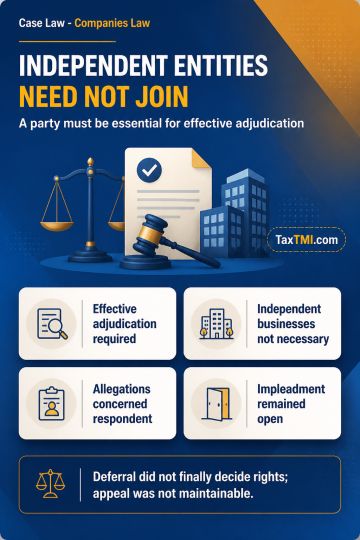
Necessary-party requirements limit impleadment of independent entities, while deferred consideration does not create an appealable adverse determinati...
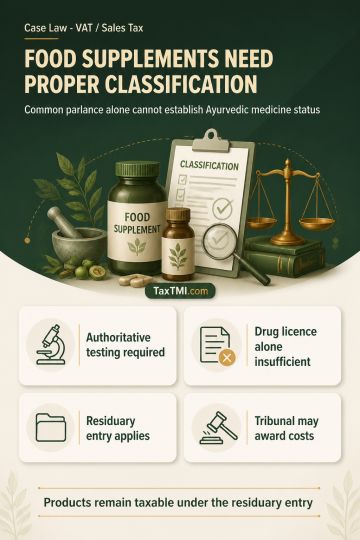
Food supplement classification requires common parlance and authoritative tests, preventing treatment as proprietary Ayurvedic medicines without suppo...
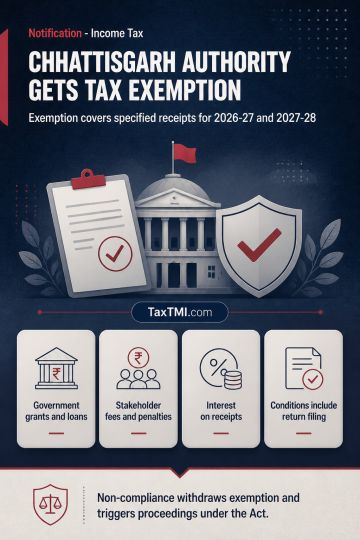
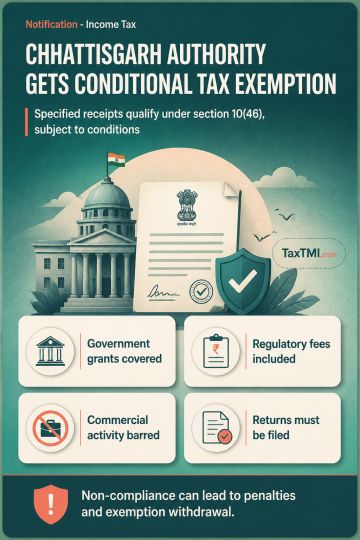
Specified regulatory authority income receives conditional tax exemption, subject to non-commercial activity, unchanged income character, and return f...
Tax exemption for regulatory authority income applies retrospectively, subject to non-commercial activity, unchanged income sources, and return-filing...
The document establishes a comprehensive Standard Operating Procedure (SOP) for container scanning at Tuticorin Custom House, detailing protocols for import and export container selection, scanning processes, and handling of suspicious containers. The Drive Through Container Scanning System (DTCS) automatically selects containers for scanning based on risk parameters, with mandatory scanning requirements for selected containers. Containers marked "CLEAN" receive a blue "SCANNED OK" stamp, while "SUSPICIOUS" containers undergo 100% examination. Export containers receive priority, with AEO and perishable cargo receiving precedence. Terminal operators, shipping lines, and customs brokers are responsible for ensuring selected containers are scanned, with potential penal actions for non-compliance under the Customs Act, 1962 and Handling of Cargo in Customs Areas Regulations, 2009.
The document establishes a comprehensive Standard Operating Procedure (SOP) for container scanning at Tuticorin Custom House, detailing protocols for import and export container selection, scanning processes, and handling of suspicious containers. The Drive Through Container Scanning System (DTCS) automatically selects containers for scanning based on risk parameters, with mandatory scanning requirements for selected containers. Containers marked "CLEAN" receive a blue "SCANNED OK" stamp, while "SUSPICIOUS" containers undergo 100% examination. Export containers receive priority, with AEO and perishable cargo receiving precedence. Terminal operators, shipping lines, and customs brokers are responsible for ensuring selected containers are scanned, with potential penal actions for non-compliance under the Customs Act, 1962 and Handling of Cargo in Customs Areas Regulations, 2009.
Note: It is a system-generated summary and is for quick reference only.
 TaxTMI
 of 4782




 Join Channel


 TaxTMI
