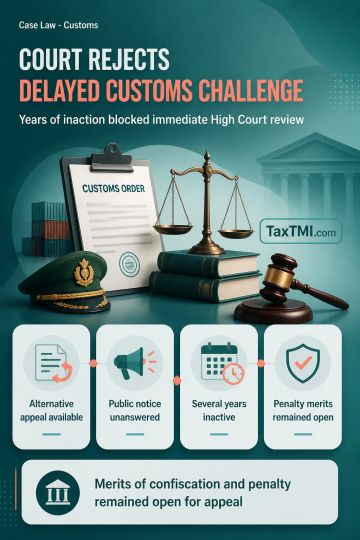
Alternative statutory remedy and unexplained delay barred writ review of customs confiscation adjudication, leaving merits for appellate consideration...
Authorised courier due diligence protects against penalties where declared exports conceal prohibited goods despite proper documentation and customs p...
Customs-controlled container movement now extends to DP World facilities, subject to segregation, inspections, reconciliation, and EXIM cargo priority...
CESTAT adjudicated a dispute regarding classification of service, specifically addressing bond amounts recovered from employees and students who prematurely terminate employment or educational commitments. The tribunal determined that forfeited amounts from early contract termination do not constitute liquidated damages or declared services. Instead, such recoveries are considered punitive measures designed to discourage disruptive workforce and academic behavior. The penalties serve to deter premature contract abandonment and mitigate potential organizational disruptions. Consequently, the tribunal ruled that these financial recoveries cannot be categorized under declared services, effectively preventing potential tax implications. The appeal was ultimately allowed, establishing a precedent for similar future cases involving contractual penalty mechanisms.
CESTAT adjudicated a dispute regarding classification of service, specifically addressing bond amounts recovered from employees and students who prematurely terminate employment or educational commitments. The tribunal determined that forfeited amounts from early contract termination do not constitute liquidated damages or declared services. Instead, such recoveries are considered punitive measures designed to discourage disruptive workforce and academic behavior. The penalties serve to deter premature contract abandonment and mitigate potential organizational disruptions. Consequently, the tribunal ruled that these financial recoveries cannot be categorized under declared services, effectively preventing potential tax implications. The appeal was ultimately allowed, establishing a precedent for similar future cases involving contractual penalty mechanisms.
Note: It is a system-generated summary and is for quick reference only.
 TaxTMI
  TaxTMI
 of 4828

















 Join Channel


