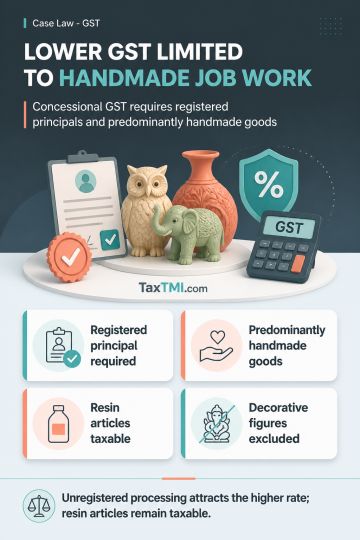
Handicraft job work receives concessional GST only for registered principals and predominantly handmade goods; commercial resin articles remain taxabl...
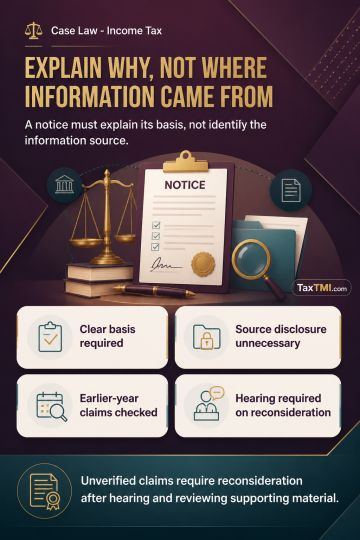
Reassessment disclosure requirements permit stated reasons without revealing information sources, but prior-taxation claims require full examination b...
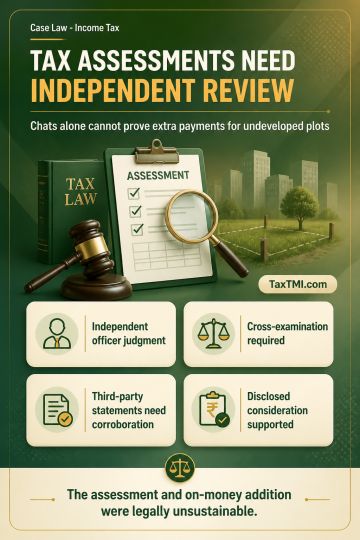
Independent assessment discretion and corroborated electronic evidence determine validity of on-money additions and undisclosed-consideration assessme...
CESTAT analyzed a case involving a Customs House Agent (CHA) facing penalties under Sections 114(iii) and 114AA of the Customs Act, 1962. The tribunal found the department's allegations against the CHA unsubstantiated, noting no credible evidence of fraudulent intent or deliberate misconduct. The tribunal emphasized that penalties can only be imposed with positive proof of the CHA's direct involvement in fraudulent activities. The department failed to record the appellant's statement or provide substantive evidence of wrongdoing. Consequently, the tribunal allowed the appeal, holding the imposed penalties unsustainable and highlighting that procedural compliance alone does not constitute a punishable offense under customs regulations.
CESTAT analyzed a case involving a Customs House Agent (CHA) facing penalties under Sections 114(iii) and 114AA of the Customs Act, 1962. The tribunal found the department's allegations against the CHA unsubstantiated, noting no credible evidence of fraudulent intent or deliberate misconduct. The tribunal emphasized that penalties can only be imposed with positive proof of the CHA's direct involvement in fraudulent activities. The department failed to record the appellant's statement or provide substantive evidence of wrongdoing. Consequently, the tribunal allowed the appeal, holding the imposed penalties unsustainable and highlighting that procedural compliance alone does not constitute a punishable offense under customs regulations.
Note: It is a system-generated summary and is for quick reference only.
 TaxTMI
  TaxTMI
 of 4828






 Join Channel


