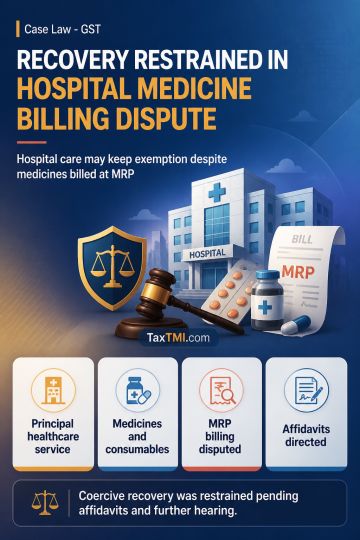
Composite inpatient healthcare supply may retain exemption despite MRP medicine billing, while separate taxable sale characterisation remains disputed...
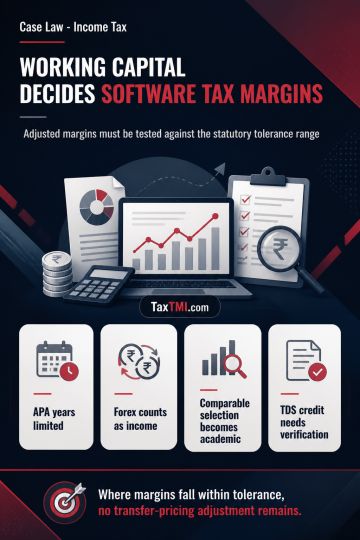
Working-capital adjustment determines whether software-services transfer-pricing margins fall within the statutory tolerance range, eliminating any ad...
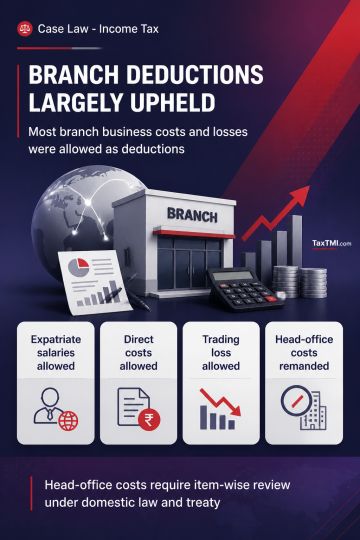
Permanent establishment deductions upheld for expatriate salaries, direct costs and trading losses, while head-office costs require fresh classificati...
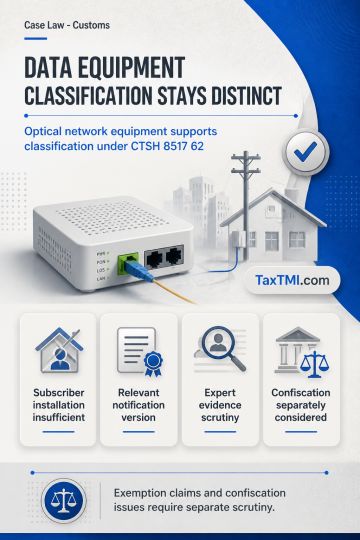
Data transmission equipment classification under CTSH 8517 62 remains distinct from residual classification, with exemption evidence requiring scrutin...
The ITAT examined the validity of an assessment order under sections 153A and 153D. The Tribunal found critical procedural irregularities in the approval process, specifically noting that the approval was granted on the same day as the draft and final assessment orders, without clear evidence of substantive examination. The approval was deemed invalid due to lack of proper application of mind, rendering the entire assessment order void ab initio. Regarding shares held as stock-in-trade, the Tribunal ruled that shares purchased in the regular course of business are not subject to taxation under section 56(2)(viia), emphasizing that the provision was intended to prevent tax evasion, not to tax legitimate business transactions. Consequently, the Assessee's appeal was allowed.
The ITAT examined the validity of an assessment order under sections 153A and 153D. The Tribunal found critical procedural irregularities in the approval process, specifically noting that the approval was granted on the same day as the draft and final assessment orders, without clear evidence of substantive examination. The approval was deemed invalid due to lack of proper application of mind, rendering the entire assessment order void ab initio. Regarding shares held as stock-in-trade, the Tribunal ruled that shares purchased in the regular course of business are not subject to taxation under section 56(2)(viia), emphasizing that the provision was intended to prevent tax evasion, not to tax legitimate business transactions. Consequently, the Assessee's appeal was allowed.
Note: It is a system-generated summary and is for quick reference only.
 TaxTMI
 of 4803





 Join Channel


 TaxTMI
