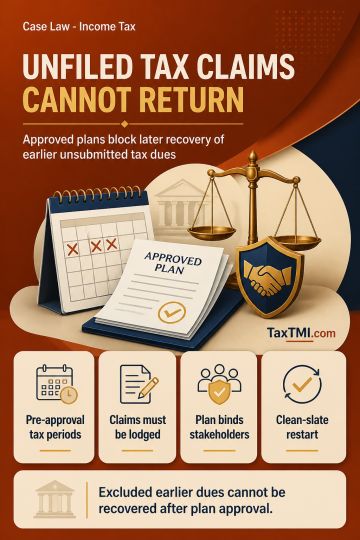
Approved resolution plans extinguish unsubmitted pre-approval tax claims, preventing later recovery outside the insolvency process and preserving a cl...
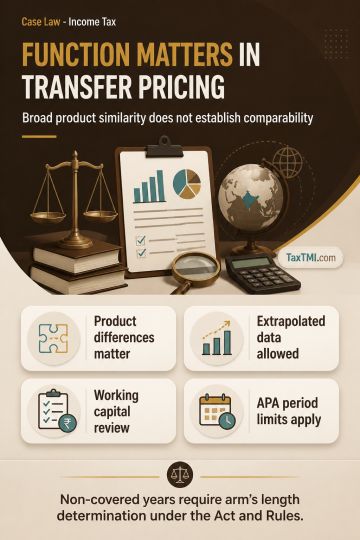
Transfer pricing comparability requires functional alignment and permits working capital adjustment, while APA margins cannot govern non-covered years...
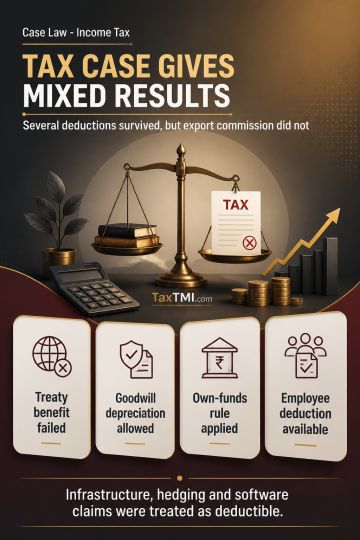
Treaty benefit, goodwill depreciation and hedging costs: export commission disallowed, while key business deductions and depreciation claims succeeded...
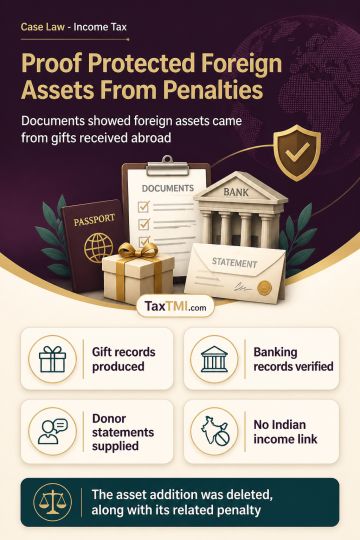
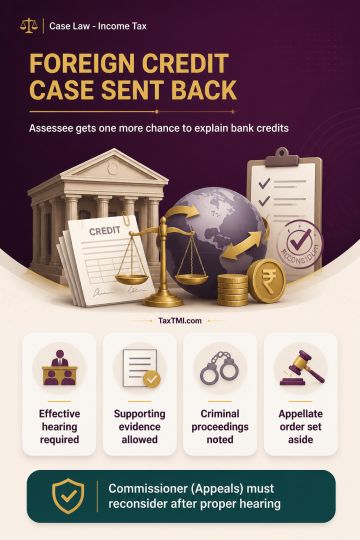
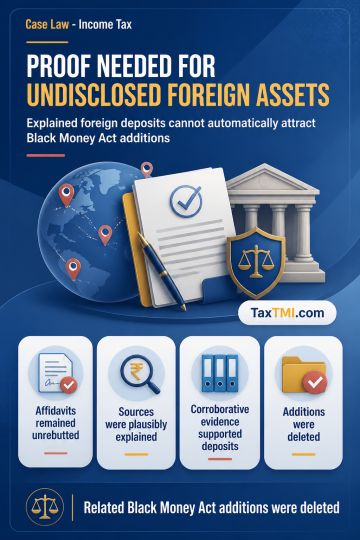
Undisclosed foreign asset classification requires an unexplained source; unrebutted affidavits and corroborative evidence defeated the Black Money Act...
The ITAT examined the validity of an assessment order under sections 153A and 153D. The Tribunal found critical procedural irregularities in the approval process, specifically noting that the approval was granted on the same day as the draft and final assessment orders, without clear evidence of substantive examination. The approval was deemed invalid due to lack of proper application of mind, rendering the entire assessment order void ab initio. Regarding shares held as stock-in-trade, the Tribunal ruled that shares purchased in the regular course of business are not subject to taxation under section 56(2)(viia), emphasizing that the provision was intended to prevent tax evasion, not to tax legitimate business transactions. Consequently, the Assessee's appeal was allowed.
The ITAT examined the validity of an assessment order under sections 153A and 153D. The Tribunal found critical procedural irregularities in the approval process, specifically noting that the approval was granted on the same day as the draft and final assessment orders, without clear evidence of substantive examination. The approval was deemed invalid due to lack of proper application of mind, rendering the entire assessment order void ab initio. Regarding shares held as stock-in-trade, the Tribunal ruled that shares purchased in the regular course of business are not subject to taxation under section 56(2)(viia), emphasizing that the provision was intended to prevent tax evasion, not to tax legitimate business transactions. Consequently, the Assessee's appeal was allowed.
Note: It is a system-generated summary and is for quick reference only.
 TaxTMI
 of 4803





 Join Channel


 TaxTMI