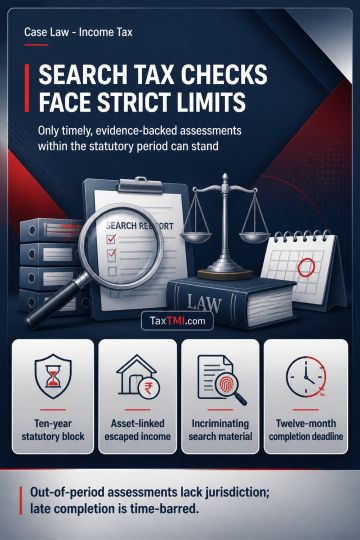
Pre-amendment reassessment limitation bars late notices under the preserved regime, invalidating consequential reassessment for affected earlier asses...
Cash-sales explanations for bank deposits require documentary reconciliation; reassessment notice survived where effective response time was available...
Functional comparability in transfer pricing prevents ad hoc arm's length adjustments where functions, assets, risks and reliable comparables are unes...
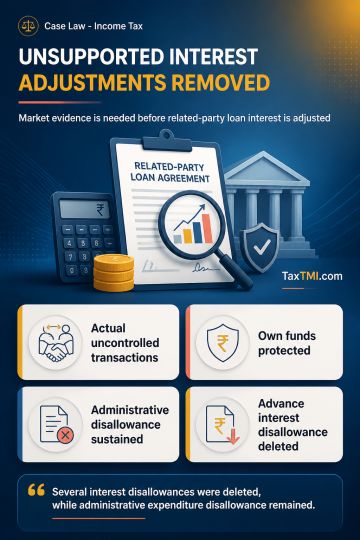
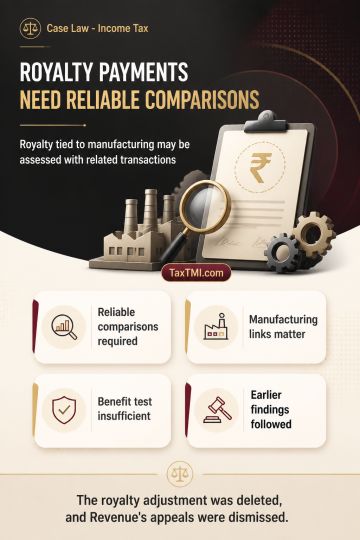
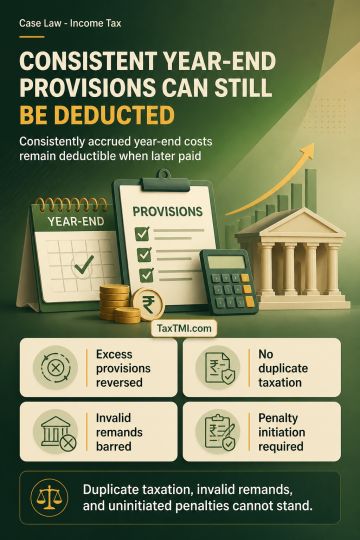
Contingency expenses, exempt-income disallowance, and royalty benchmarking: unsupported adjustments were deleted under consistent accounting and trans...
The AT found the appellant Company culpable of cheating under Section 420 IPC through a deliberate conspiracy with NSE officials, resulting in wrongful gain of 4.54 crore. The tribunal determined the actions constituted money laundering under PMLA Section 3, involving intentional projection of illegitimate proceeds as legitimate income. Despite arguments challenging the allegations, the tribunal rejected the appellant's contentions, emphasizing the systematic nature of the fraudulent scheme involving high-ranking officials. The appeal was consequently dismissed, affirming the criminal liability of the appellant for fraudulent financial transactions and breach of statutory obligations.
The AT found the appellant Company culpable of cheating under Section 420 IPC through a deliberate conspiracy with NSE officials, resulting in wrongful gain of 4.54 crore. The tribunal determined the actions constituted money laundering under PMLA Section 3, involving intentional projection of illegitimate proceeds as legitimate income. Despite arguments challenging the allegations, the tribunal rejected the appellant's contentions, emphasizing the systematic nature of the fraudulent scheme involving high-ranking officials. The appeal was consequently dismissed, affirming the criminal liability of the appellant for fraudulent financial transactions and breach of statutory obligations.
Note: It is a system-generated summary and is for quick reference only.
 TaxTMI
  TaxTMI
 of 4918