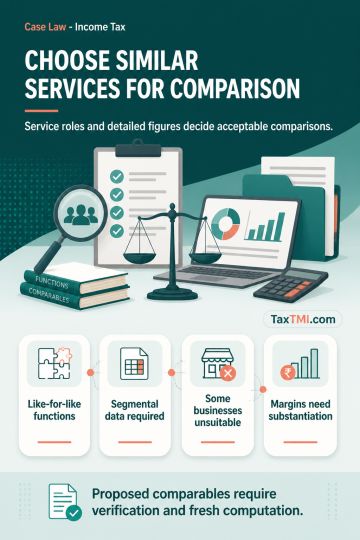
Functional comparability governs selection of support-service and IT-enabled service comparables, with verification required for unresolved data and m...
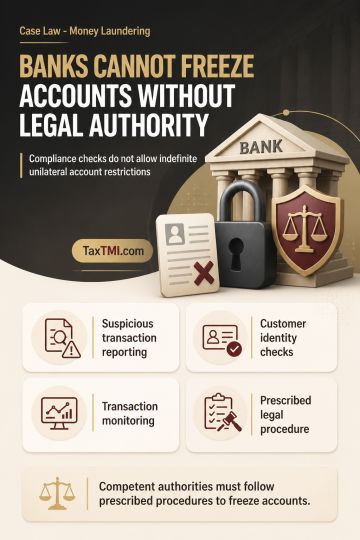
Bank account freezing requires statutory authority; anti-money-laundering compliance and KYC monitoring do not permit unilateral indefinite restrictio...
ITAT allowed the assessee's appeal challenging leave encashment deduction under section 10(10AA). The tribunal found that the CIT(A)'s rejection based on non-submission of Form 16 was untenable, as the Assessing Officer already had information about the claimed amount of Rs. 20,29,482. Pursuant to the CBDT notification dated 24th May 2023, the leave encashment limit was revised to Rs. 25,00,000, thereby enabling the assessee to claim the entire amount instead of the previously restricted Rs. 3,00,000. The tribunal directed the Assessing Officer to allow the deduction consistent with the revised statutory limit.
ITAT allowed the assessee's appeal challenging leave encashment deduction under section 10(10AA). The tribunal found that the CIT(A)'s rejection based on non-submission of Form 16 was untenable, as the Assessing Officer already had information about the claimed amount of Rs. 20,29,482. Pursuant to the CBDT notification dated 24th May 2023, the leave encashment limit was revised to Rs. 25,00,000, thereby enabling the assessee to claim the entire amount instead of the previously restricted Rs. 3,00,000. The tribunal directed the Assessing Officer to allow the deduction consistent with the revised statutory limit.
Note: It is a system-generated summary and is for quick reference only.
 TaxTMI
  TaxTMI
 of 4828




 Join Channel