Commercial vehicle depreciation, scientifically determined warranty provisions and exempt-income disallowances were resolved in favour of the taxpayer...
Inherited property sale proceeds require capital-gains treatment where ownership is supported by evidence, not suspicion or unverified signature doubt...
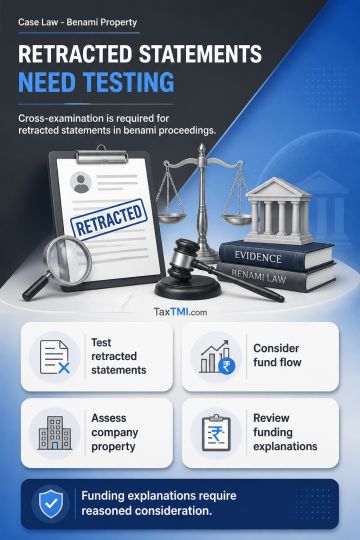
Cross-examination of retracted statements is essential where foundational evidence supports a benami allegation and documented funding explanations re...
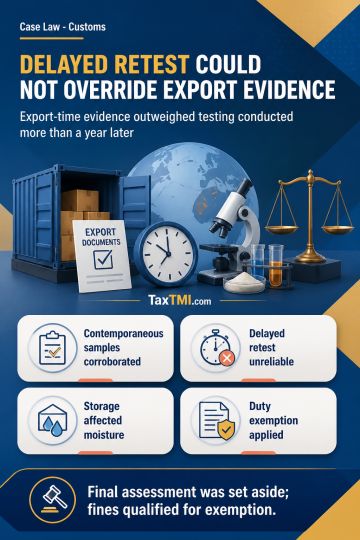
Capital-goods exemption covers plant-modernisation accessories, while the import restriction applies only to earlier capital-goods components and spar...
Constitutional judicial review permits challenges to ECIRs and connected money-laundering proceedings where coercive action affects fundamental intere...
HC dismisses petition challenging criminal proceedings for cheque dishonour. The court held that the petitioner, a former partner, cannot summarily escape liability under Section 138 read with Section 141 of NI Act. The retirement from partnership and potential non-responsibility are disputed factual matters requiring evidentiary determination at trial. No unimpeachable evidence was presented to conclusively establish the petitioner's non-liability. The court emphasized that Section 482 CrPC proceedings are not appropriate for resolving complex factual disputes. Consequently, the criminal proceedings against the petitioner shall continue, with the trial court to adjudicate the substantive liability issues.
HC dismisses petition challenging criminal proceedings for cheque dishonour. The court held that the petitioner, a former partner, cannot summarily escape liability under Section 138 read with Section 141 of NI Act. The retirement from partnership and potential non-responsibility are disputed factual matters requiring evidentiary determination at trial. No unimpeachable evidence was presented to conclusively establish the petitioner's non-liability. The court emphasized that Section 482 CrPC proceedings are not appropriate for resolving complex factual disputes. Consequently, the criminal proceedings against the petitioner shall continue, with the trial court to adjudicate the substantive liability issues.
Note: It is a system-generated summary and is for quick reference only.
 TaxTMI
 of 4780





















 Join Channel


 TaxTMI
