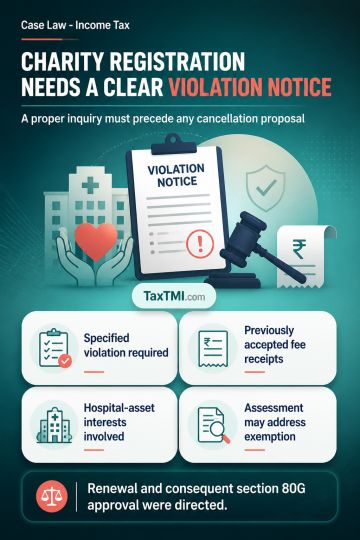
Charitable trust registration requires a specified-violation notice; settled cash deposits and related-party payments did not justify cancellation or ...
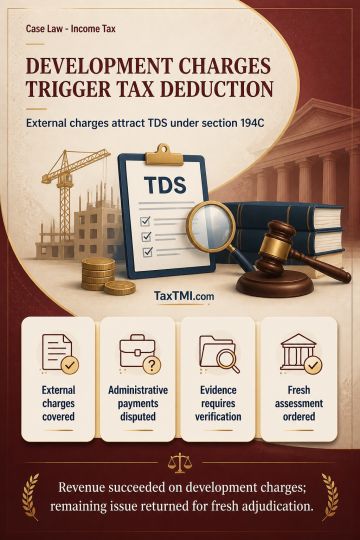
External development charges trigger TDS under section 194C, while disputed administrative payments require factual verification and fresh adjudicatio...
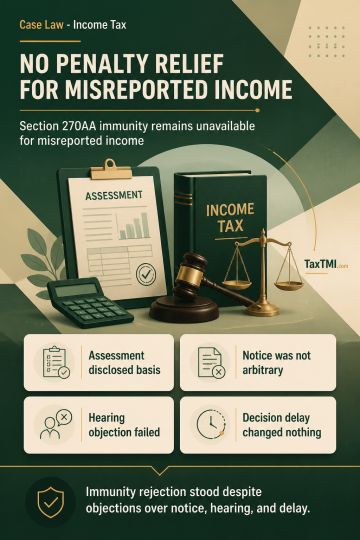
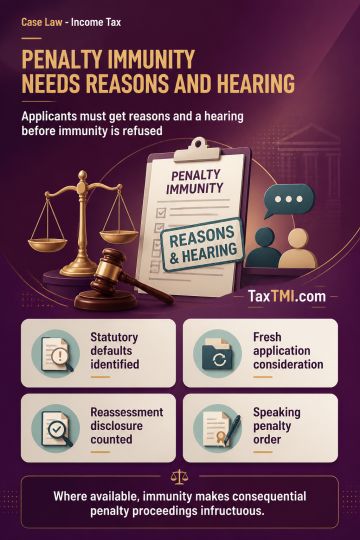
Section 270AA penalty immunity requires identified statutory defaults and a hearing before rejection; reassessment disclosure may constitute under-rep...
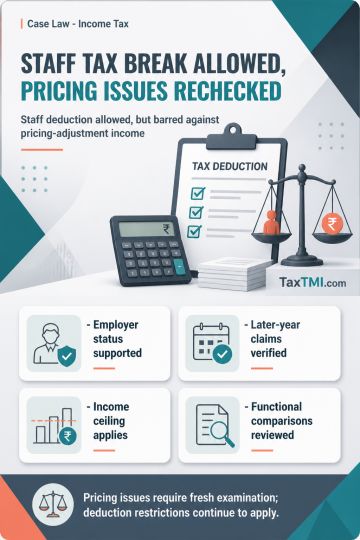
Section 80JJAA employee-cost deduction allowed for deployed staff but barred against transfer-pricing income enhancement, with pricing issues remanded...
Page of 4830
Press 'Enter' after typing page number.
141 to 160 of 96587 Results
❮
❯
❯❯
0 / 200
Expand Note
Add to Folder
No Folders have been created
+
Are you sure you want to delete "My most important" ?
NCLAT held that the amount deposited by guarantors constitutes part of the liquidation estate, which must be refunded to the corporate debtor's liquidation account. The tribunal emphasized that PNB cannot unilaterally recover amounts from the liquidation estate outside the statutory waterfall mechanism under Section 53 of IBC, 2016. The bank had already relinquished its security interest and filed its claim, which was admitted by the liquidator. The tribunal concluded that trade receivables and payments used to satisfy dues are assets of the corporate debtor and must be distributed through the prescribed legal mechanism, thereby protecting the collective interests of all creditors during the liquidation process.
NCLAT held that the amount deposited by guarantors constitutes part of the liquidation estate, which must be refunded to the corporate debtor's liquidation account. The tribunal emphasized that PNB cannot unilaterally recover amounts from the liquidation estate outside the statutory waterfall mechanism under Section 53 of IBC, 2016. The bank had already relinquished its security interest and filed its claim, which was admitted by the liquidator. The tribunal concluded that trade receivables and payments used to satisfy dues are assets of the corporate debtor and must be distributed through the prescribed legal mechanism, thereby protecting the collective interests of all creditors during the liquidation process.
Note: It is a system-generated summary and is for quick reference only.
 TaxTMI
  TaxTMI
 of 4830







 Join Channel


