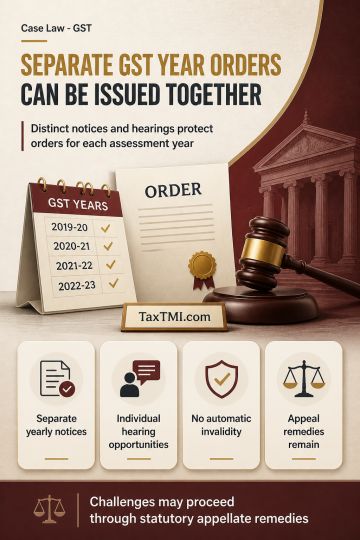
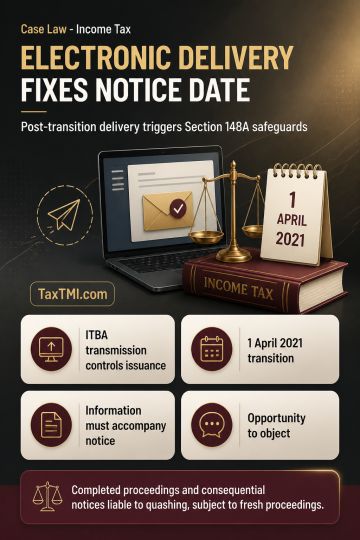
Separate assessment orders for different years remain valid when distinct notices and hearing opportunities prevent prejudice from combined proceeding...
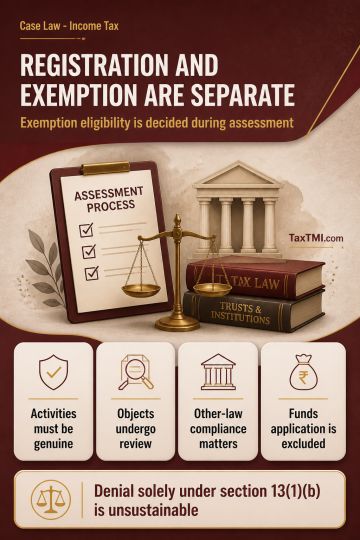
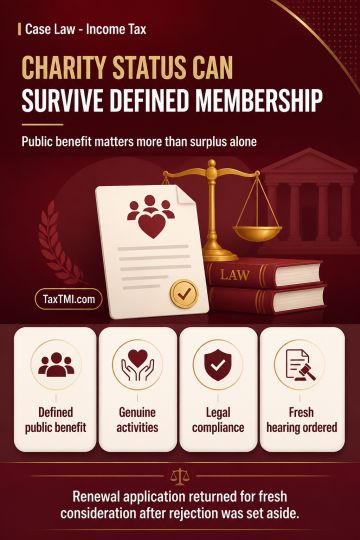
Defined public benefit can retain charitable character; registration renewal requires examining genuine activities and legal compliance, not surplus a...
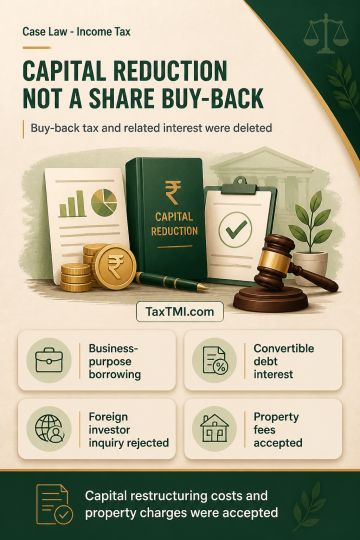
Capital reduction is distinct from share buy-back, preventing buy-back tax; restructuring interest and related business deductions also survive scruti...
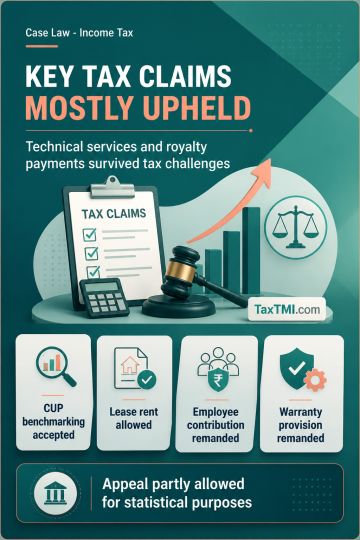
Transfer pricing and tax deductions upheld on established principles, while employee contributions and warranty provisions returned for fresh examinat...
Page of 4803
Press 'Enter' after typing page number.
1201 to 1220 of 96046 Results
❮
❯
❯❯
0 / 200
Expand Note
Add to Folder
No Folders have been created
+
Are you sure you want to delete "My most important" ?
NCLAT dismissed the appeal challenging the rejection of a Section 9 insolvency application. The operational creditor's default dates (03.05.2020, 15.08.2020, and 01.01.2021) fell within the Section 10A prohibited period under IBC. Consistent with Supreme Court precedent in Ramesh Kymal, the tribunal held that defaults occurring during the specified COVID-19 period cannot form the basis for initiating corporate insolvency resolution proceedings. The tribunal emphasized that the creditor bore the responsibility to amend default dates if required, and the adjudicating authority was not obligated to modify dates sua sponte. Consequently, the Section 9 application was deemed non-maintainable, and the appeal was dismissed without merit.
NCLAT dismissed the appeal challenging the rejection of a Section 9 insolvency application. The operational creditor's default dates (03.05.2020, 15.08.2020, and 01.01.2021) fell within the Section 10A prohibited period under IBC. Consistent with Supreme Court precedent in Ramesh Kymal, the tribunal held that defaults occurring during the specified COVID-19 period cannot form the basis for initiating corporate insolvency resolution proceedings. The tribunal emphasized that the creditor bore the responsibility to amend default dates if required, and the adjudicating authority was not obligated to modify dates sua sponte. Consequently, the Section 9 application was deemed non-maintainable, and the appeal was dismissed without merit.
Note: It is a system-generated summary and is for quick reference only.
 TaxTMI
 of 4803




 Join Channel


 TaxTMI