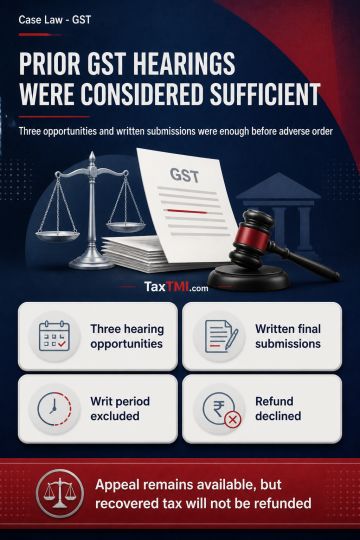
Personal hearing requirements in GST adjudication were satisfied by prior opportunities and written submissions; appellate limitation received writ-pe...
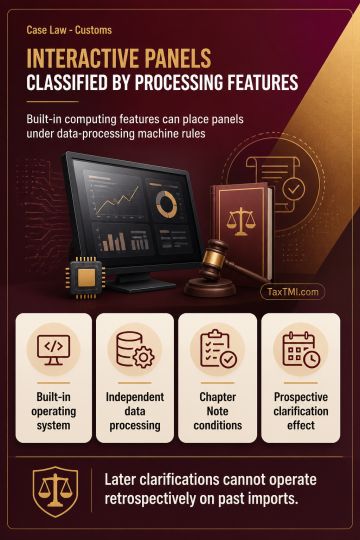
Interactive flat panels meeting automatic data processing conditions are distinguished from monitors, while later classification clarifications apply ...
NCLAT dismissed the appeal challenging the rejection of a Section 9 insolvency application. The operational creditor's default dates (03.05.2020, 15.08.2020, and 01.01.2021) fell within the Section 10A prohibited period under IBC. Consistent with Supreme Court precedent in Ramesh Kymal, the tribunal held that defaults occurring during the specified COVID-19 period cannot form the basis for initiating corporate insolvency resolution proceedings. The tribunal emphasized that the creditor bore the responsibility to amend default dates if required, and the adjudicating authority was not obligated to modify dates sua sponte. Consequently, the Section 9 application was deemed non-maintainable, and the appeal was dismissed without merit.
NCLAT dismissed the appeal challenging the rejection of a Section 9 insolvency application. The operational creditor's default dates (03.05.2020, 15.08.2020, and 01.01.2021) fell within the Section 10A prohibited period under IBC. Consistent with Supreme Court precedent in Ramesh Kymal, the tribunal held that defaults occurring during the specified COVID-19 period cannot form the basis for initiating corporate insolvency resolution proceedings. The tribunal emphasized that the creditor bore the responsibility to amend default dates if required, and the adjudicating authority was not obligated to modify dates sua sponte. Consequently, the Section 9 application was deemed non-maintainable, and the appeal was dismissed without merit.
Note: It is a system-generated summary and is for quick reference only.
 TaxTMI
 of 4794



 Join Channel


 TaxTMI