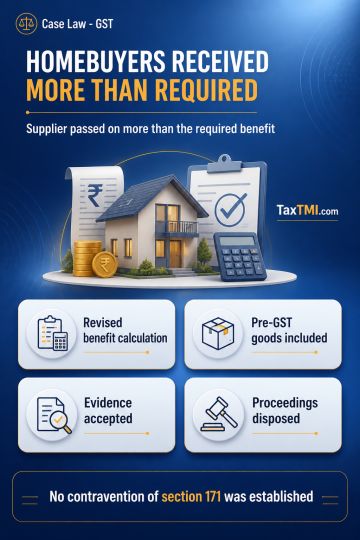
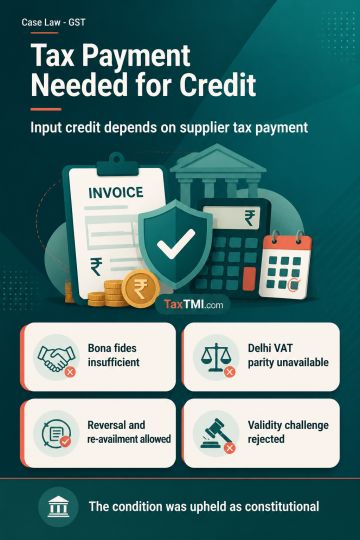
Input tax credit conditions remain constitutionally valid, with eligible recipient claims considered under GST circulars and retrospective filing dead...
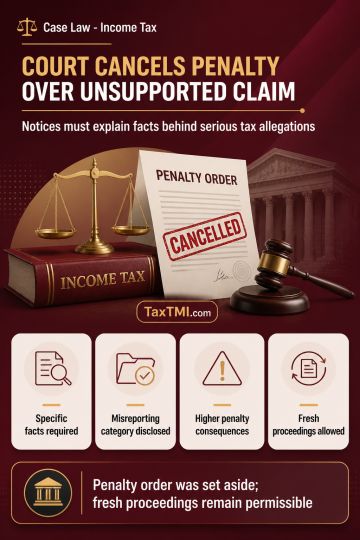
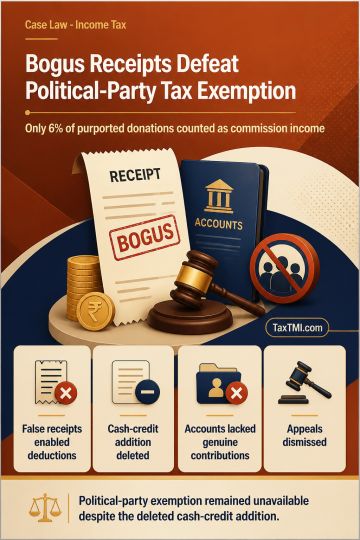
Bogus donation receipts justified commission income assessment and defeated political-party tax exemption for inaccurate accounts and reporting failur...
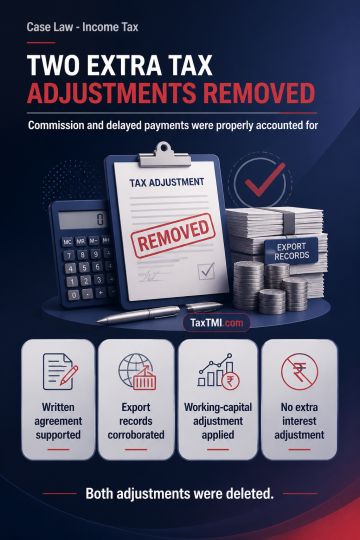
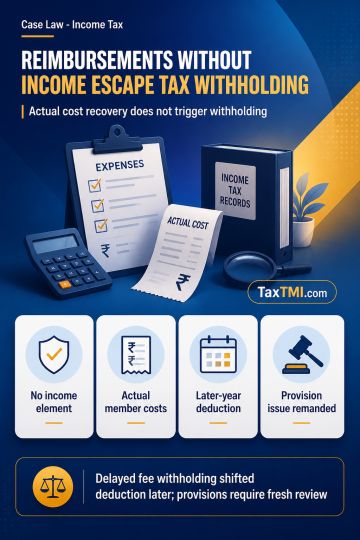
Pure reimbursement without income element escapes tax withholding, while delayed withholding and unsupported provisions face deferred or renewed scrut...
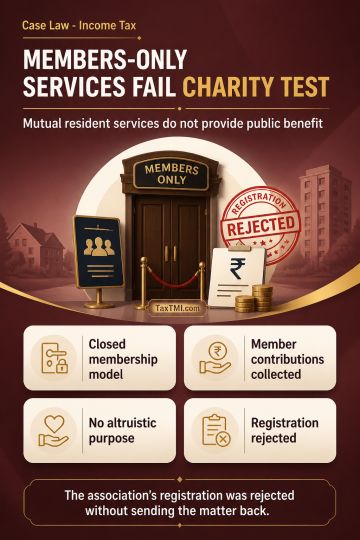
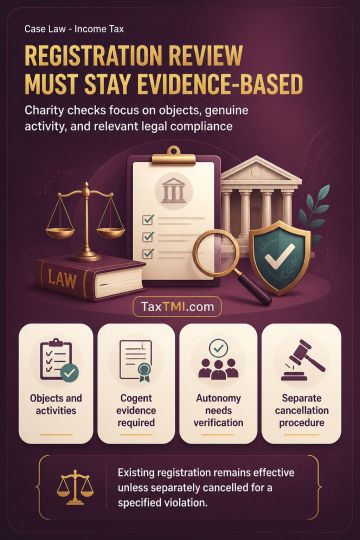
Public benefit requirement defeats charitable registration where residents' association services are reciprocal, member-only facilities governed by mu...
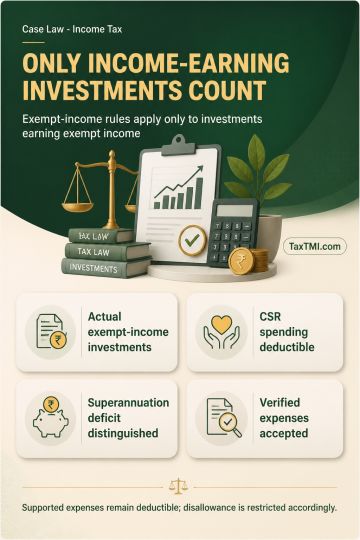
Exempt-income expenditure disallowance is confined to investments that actually generated exempt income, while supported business expenses remain dedu...
CESTAT adjudicated a service tax dispute involving a governmental authority's tax liability. The tribunal rejected the appellant's claims of exemption under Notification No.25/2012-ST, finding no merit in their arguments about agricultural extension services. The tribunal determined that the appellant deliberately suppressed service tax information in ST-3 returns, warranting invocation of extended limitation period. The tribunal found the appellant's services taxable under the Finance Act, 1994, and upheld penalties under Sections 77 and 78. Ultimately, the appeal was partially allowed, with the case remanded to the original authority to recompute tax demand while allowing cum tax benefit, recognizing that service tax was not separately collected from service recipients.
CESTAT adjudicated a service tax dispute involving a governmental authority's tax liability. The tribunal rejected the appellant's claims of exemption under Notification No.25/2012-ST, finding no merit in their arguments about agricultural extension services. The tribunal determined that the appellant deliberately suppressed service tax information in ST-3 returns, warranting invocation of extended limitation period. The tribunal found the appellant's services taxable under the Finance Act, 1994, and upheld penalties under Sections 77 and 78. Ultimately, the appeal was partially allowed, with the case remanded to the original authority to recompute tax demand while allowing cum tax benefit, recognizing that service tax was not separately collected from service recipients.
Note: It is a system-generated summary and is for quick reference only.
 TaxTMI
 of 4794





 Join Channel


 TaxTMI