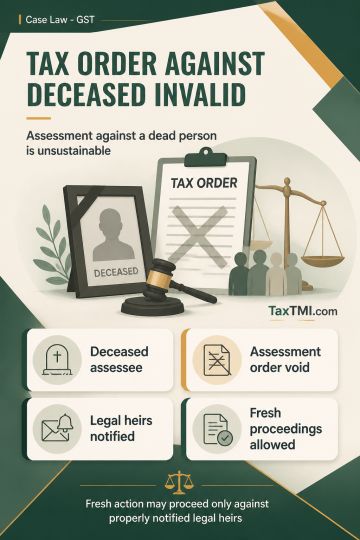
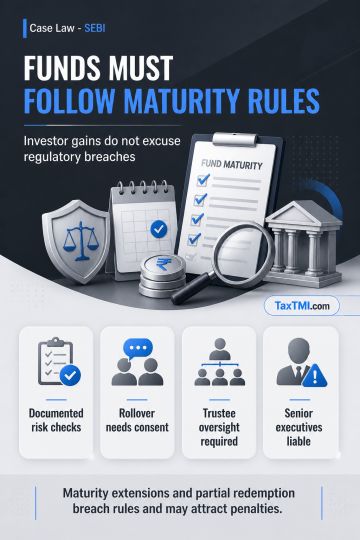
Mutual fund maturity rules require proper rollover, redemption, disclosure, and due diligence; investor gains cannot excuse regulatory breaches or pen...
Threshold exemption excludes exempt services, while stamp-paper purchases avoid reverse charge; consequential service tax penalties were also set asid...
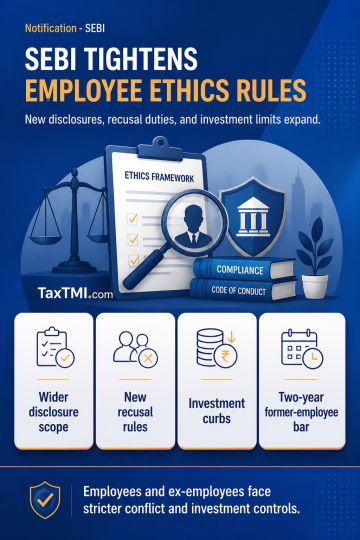
Employee conflict disclosures and investment restrictions expand with new recusal duties, post-employment limits, and compliance reporting requirement...
The AAR ruled that goods supplied by the applicant, despite being a victim of fraud without receiving consideration, still constituted a "supply" under GST law. The authority determined that while fraud may vitiate a contract, it does not negate the statutory definition of "supply" under section 7 of the CGST Act. The facts established that goods were physically removed and received at the destination, as confirmed by the FIR. The AAR concluded that the transaction qualified as supply of goods under section 20 of the IGST Act read with sections 12 and 7 of the CGST Act, regardless of the fraudulent nature of the order.
The AAR ruled that goods supplied by the applicant, despite being a victim of fraud without receiving consideration, still constituted a "supply" under GST law. The authority determined that while fraud may vitiate a contract, it does not negate the statutory definition of "supply" under section 7 of the CGST Act. The facts established that goods were physically removed and received at the destination, as confirmed by the FIR. The AAR concluded that the transaction qualified as supply of goods under section 20 of the IGST Act read with sections 12 and 7 of the CGST Act, regardless of the fraudulent nature of the order.
Note: It is a system-generated summary and is for quick reference only.
 TaxTMI
 of 4805










 Join Channel


 TaxTMI