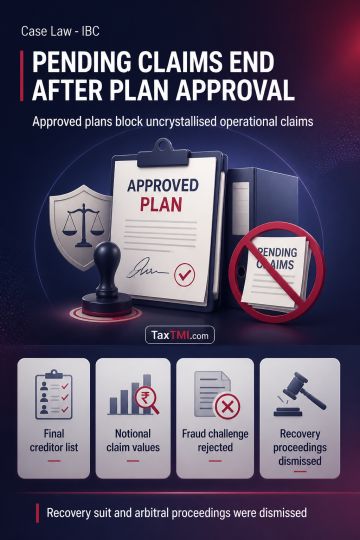
Clean slate principle extinguishes uncrystallised operational claims and bars continuation of pending recovery and arbitral proceedings after plan app...
Works contract classification governs composite layout-development contracts where VAT-paid goods are transferred alongside construction and infrastru...
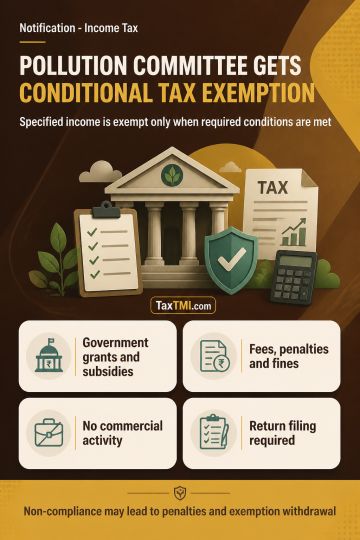
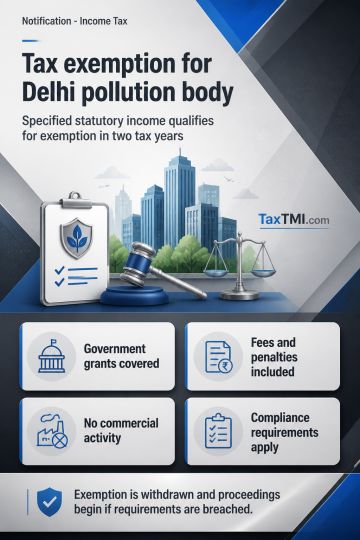
Specified income tax exemption for pollution control body remains conditional on non-commercial activity, unchanged income character, and return filin...
The AAR ruled that goods supplied by the applicant, despite being a victim of fraud without receiving consideration, still constituted a "supply" under GST law. The authority determined that while fraud may vitiate a contract, it does not negate the statutory definition of "supply" under section 7 of the CGST Act. The facts established that goods were physically removed and received at the destination, as confirmed by the FIR. The AAR concluded that the transaction qualified as supply of goods under section 20 of the IGST Act read with sections 12 and 7 of the CGST Act, regardless of the fraudulent nature of the order.
The AAR ruled that goods supplied by the applicant, despite being a victim of fraud without receiving consideration, still constituted a "supply" under GST law. The authority determined that while fraud may vitiate a contract, it does not negate the statutory definition of "supply" under section 7 of the CGST Act. The facts established that goods were physically removed and received at the destination, as confirmed by the FIR. The AAR concluded that the transaction qualified as supply of goods under section 20 of the IGST Act read with sections 12 and 7 of the CGST Act, regardless of the fraudulent nature of the order.
Note: It is a system-generated summary and is for quick reference only.
 TaxTMI
 of 4805












 Join Channel


 TaxTMI