Clean slate principle extinguishes uncrystallised operational claims and bars continuation of pending recovery and arbitral proceedings after plan app...
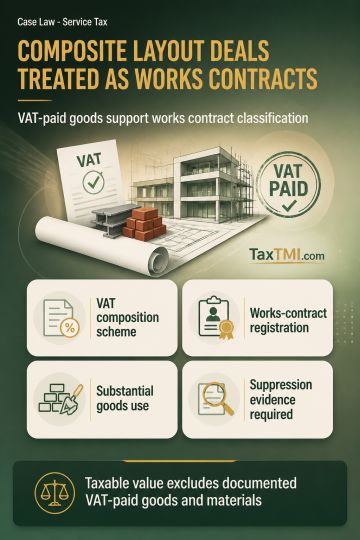
Works contract classification governs composite layout-development contracts where VAT-paid goods are transferred alongside construction and infrastru...
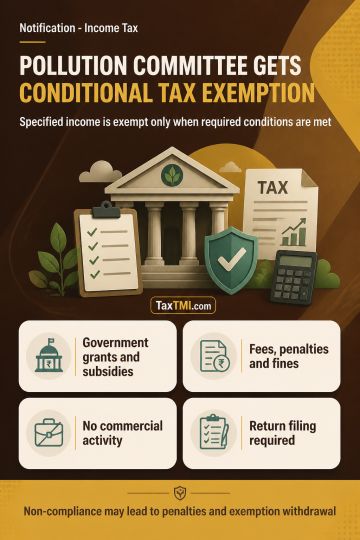
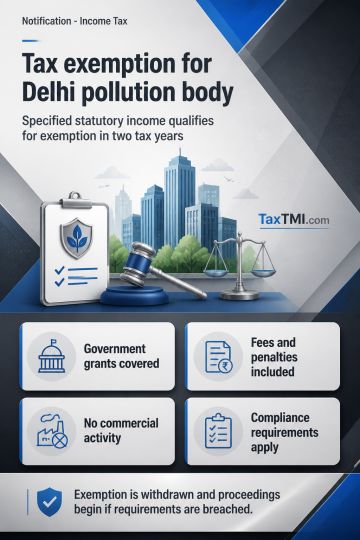
Specified income tax exemption for pollution control body remains conditional on non-commercial activity, unchanged income character, and return filin...
The HC upheld the assessee's methodology for computing deduction under Section 36(1)(viii) of the I.T. Act. Since the assessee's accounts did not segregate actual expenditure for eligible business, the court approved the proportionate allocation method where the ratio of total income to total expenditure was applied to eligible business income to determine eligible business expenses. This approach was justified as the accounts showed gross income and expenditure for the entire business, as well as gross income for eligible business, but not specific expenditure for eligible business. The court confirmed that 20% of the resulting profit figure from eligible business qualified for deduction under Section 36(1)(viii).
The HC upheld the assessee's methodology for computing deduction under Section 36(1)(viii) of the I.T. Act. Since the assessee's accounts did not segregate actual expenditure for eligible business, the court approved the proportionate allocation method where the ratio of total income to total expenditure was applied to eligible business income to determine eligible business expenses. This approach was justified as the accounts showed gross income and expenditure for the entire business, as well as gross income for eligible business, but not specific expenditure for eligible business. The court confirmed that 20% of the resulting profit figure from eligible business qualified for deduction under Section 36(1)(viii).
Note: It is a system-generated summary and is for quick reference only.
 TaxTMI
 of 4805













 Join Channel


 TaxTMI