Dispute Resolution Panel objections must reach both prescribed forums; otherwise assessment may proceed and statutory appeal remains the proper remedy...
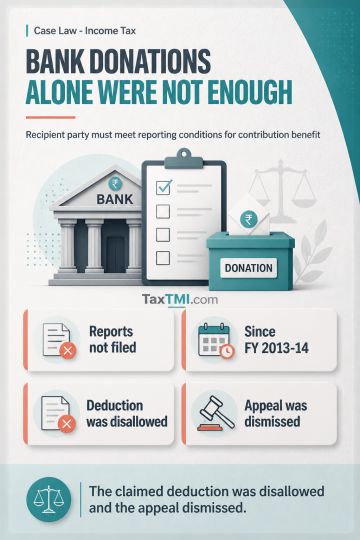
Political contribution deductions require recipient party compliance with contribution-reporting conditions; banking-channel donations alone do not qu...
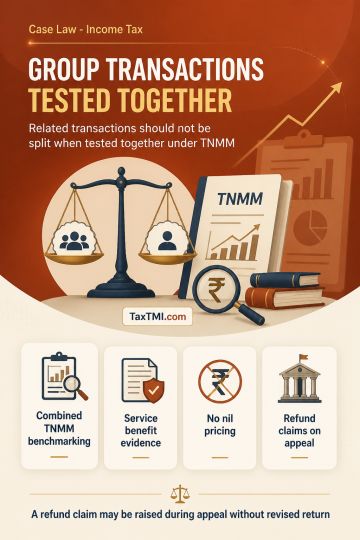
Aggregation under TNMM prevents selective testing of intra-group services without comparable uncontrolled transactions, while appellate additional cla...
Protective assessment cannot duplicate identical receipts under competing characterisations; remote services did not establish a taxable permanent est...
The HC quashed non-bailable warrants issued against the petitioner accused of GST evasion through fake firms. The court held that non-bailable warrants should only be issued when an accused fails to appear after service of summons or bailable warrants. In this case, the petitioner had previously cooperated with the investigation, appeared before authorities, and provided statements. The court converted the non-bailable warrants to bailable warrants, noting that the petitioner showed no likelihood of evading legal process. Applying the principle from Tarsem Lal and Sharif Ahmed precedents, the HC emphasized that courts must consider whether an accused is likely to evade justice or tamper with evidence before issuing non-bailable warrants. The presumption of innocence was also affirmed as a fundamental principle of criminal jurisprudence.
The HC quashed non-bailable warrants issued against the petitioner accused of GST evasion through fake firms. The court held that non-bailable warrants should only be issued when an accused fails to appear after service of summons or bailable warrants. In this case, the petitioner had previously cooperated with the investigation, appeared before authorities, and provided statements. The court converted the non-bailable warrants to bailable warrants, noting that the petitioner showed no likelihood of evading legal process. Applying the principle from Tarsem Lal and Sharif Ahmed precedents, the HC emphasized that courts must consider whether an accused is likely to evade justice or tamper with evidence before issuing non-bailable warrants. The presumption of innocence was also affirmed as a fundamental principle of criminal jurisprudence.
Note: It is a system-generated summary and is for quick reference only.
 TaxTMI
 of 4805

















 Join Channel


 TaxTMI
