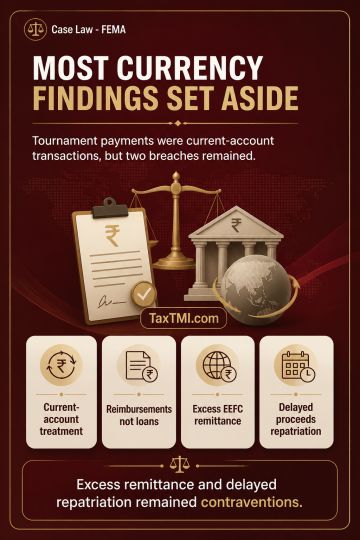
Current account treatment of overseas tournament services removed most FEMA findings, but excess EEFC remittance and delayed repatriation remained bre...
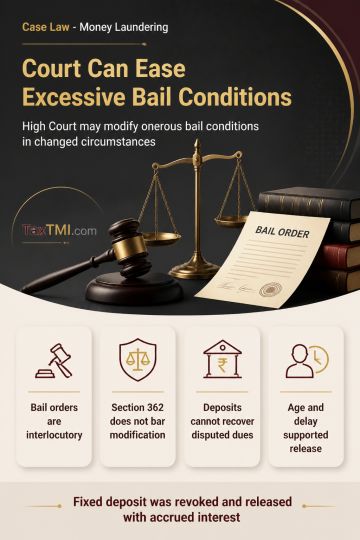
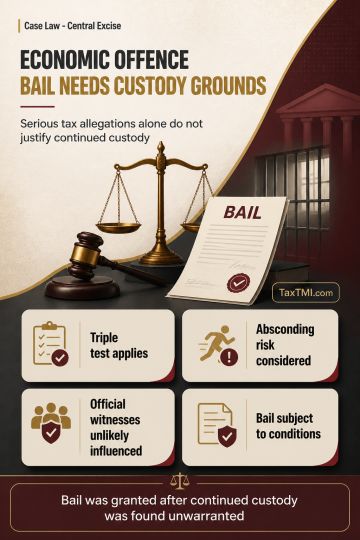
Modification of bail conditions remains available through inherent jurisdiction where onerous deposits undermine justice and cannot recover disputed d...
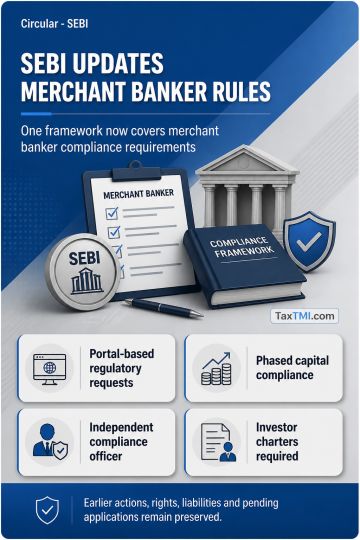
Merchant banker regulation consolidates registration, governance, capital, reporting, outsourcing and investor-protection requirements under an update...
The HC ruled that the 60-day limitation period under Section 62(2) of the GST Act for filing returns after a best judgment assessment is directory rather than mandatory. If an assessee fails to file returns within this period due to reasons beyond their control, authorities may condone the delay upon application with sufficient justification. The taxpayer would then be permitted to file returns after paying applicable interest, penalties, and charges. The Court held that the right to file returns cannot be categorically denied based solely on non-compliance with the 60-day timeframe. The petitioner was directed to file a delay condonation application within 15 days.
The HC ruled that the 60-day limitation period under Section 62(2) of the GST Act for filing returns after a best judgment assessment is directory rather than mandatory. If an assessee fails to file returns within this period due to reasons beyond their control, authorities may condone the delay upon application with sufficient justification. The taxpayer would then be permitted to file returns after paying applicable interest, penalties, and charges. The Court held that the right to file returns cannot be categorically denied based solely on non-compliance with the 60-day timeframe. The petitioner was directed to file a delay condonation application within 15 days.
Note: It is a system-generated summary and is for quick reference only.
 TaxTMI
 of 4803









 Join Channel


 TaxTMI