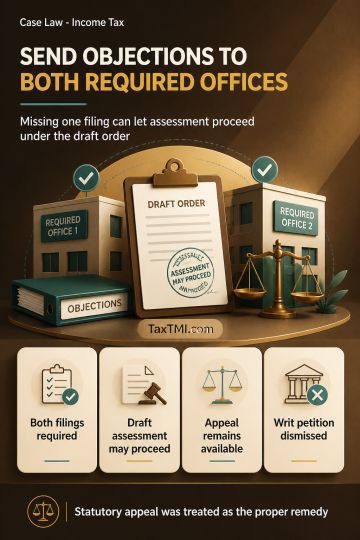
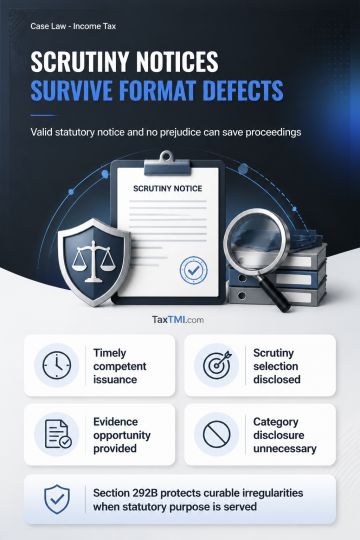
Dispute Resolution Panel objections must reach both prescribed forums; otherwise assessment may proceed and statutory appeal remains the proper remedy...
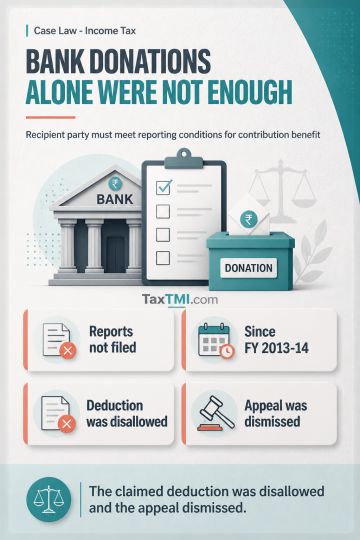
Political contribution deductions require recipient party compliance with contribution-reporting conditions; banking-channel donations alone do not qu...
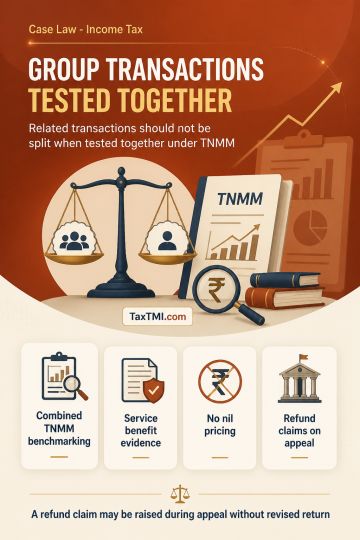
Aggregation under TNMM prevents selective testing of intra-group services without comparable uncontrolled transactions, while appellate additional cla...
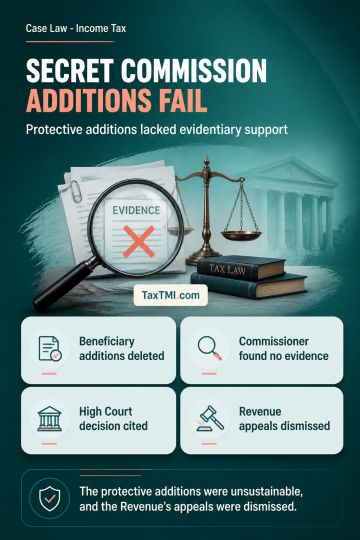
Protective assessment cannot duplicate identical receipts under competing characterisations; remote services did not establish a taxable permanent est...
The HC ruled that the 60-day limitation period under Section 62(2) of the GST Act for filing returns after a best judgment assessment is directory rather than mandatory. If an assessee fails to file returns within this period due to reasons beyond their control, authorities may condone the delay upon application with sufficient justification. The taxpayer would then be permitted to file returns after paying applicable interest, penalties, and charges. The Court held that the right to file returns cannot be categorically denied based solely on non-compliance with the 60-day timeframe. The petitioner was directed to file a delay condonation application within 15 days.
The HC ruled that the 60-day limitation period under Section 62(2) of the GST Act for filing returns after a best judgment assessment is directory rather than mandatory. If an assessee fails to file returns within this period due to reasons beyond their control, authorities may condone the delay upon application with sufficient justification. The taxpayer would then be permitted to file returns after paying applicable interest, penalties, and charges. The Court held that the right to file returns cannot be categorically denied based solely on non-compliance with the 60-day timeframe. The petitioner was directed to file a delay condonation application within 15 days.
Note: It is a system-generated summary and is for quick reference only.
 TaxTMI
 of 4803







 Join Channel


 TaxTMI
