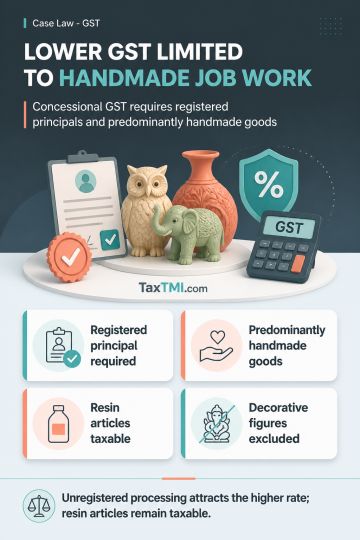
Handicraft job work receives concessional GST only for registered principals and predominantly handmade goods; commercial resin articles remain taxabl...
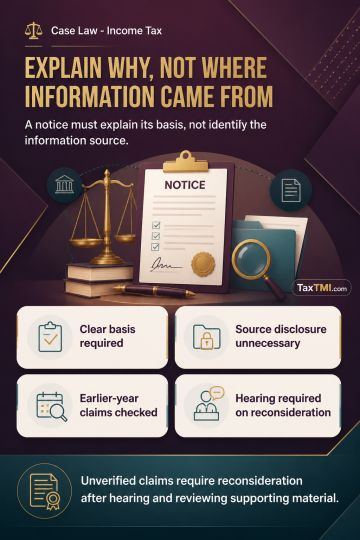
Reassessment disclosure requirements permit stated reasons without revealing information sources, but prior-taxation claims require full examination b...
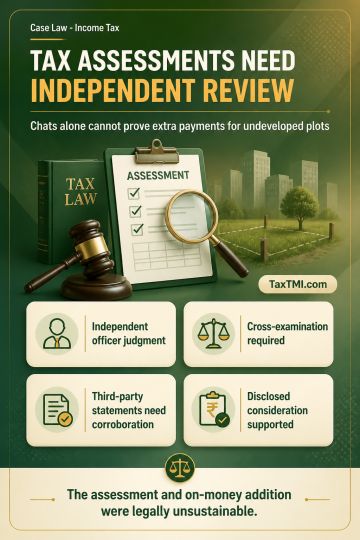
Independent assessment discretion and corroborated electronic evidence determine validity of on-money additions and undisclosed-consideration assessme...
The ITAT held that foreign exchange fluctuation, whether gain or loss, must be treated as operating in nature, rejecting the TPO's classification as non-operating based on Rule 10TA. The Tribunal noted that Rule 10TA pertains only to Safe Harbour Rules when specifically opted for by the assessee. Following precedents from Delhi HC (Ameriprise India) and Karnataka HC (Subex Ltd), the ITAT directed that forex fluctuations be treated as operating items. Similarly, reversal of provisions for leave encashment and gratuity were deemed operating items. Regarding interest on overdue receivables from AEs, the ITAT deleted the adjustment, noting the assessee's consistent practice of not charging interest from either AEs or non-AEs, with significantly longer delays (545 days) for non-AEs compared to AEs (185 days).
The ITAT held that foreign exchange fluctuation, whether gain or loss, must be treated as operating in nature, rejecting the TPO's classification as non-operating based on Rule 10TA. The Tribunal noted that Rule 10TA pertains only to Safe Harbour Rules when specifically opted for by the assessee. Following precedents from Delhi HC (Ameriprise India) and Karnataka HC (Subex Ltd), the ITAT directed that forex fluctuations be treated as operating items. Similarly, reversal of provisions for leave encashment and gratuity were deemed operating items. Regarding interest on overdue receivables from AEs, the ITAT deleted the adjustment, noting the assessee's consistent practice of not charging interest from either AEs or non-AEs, with significantly longer delays (545 days) for non-AEs compared to AEs (185 days).
Note: It is a system-generated summary and is for quick reference only.
 TaxTMI
  TaxTMI
 of 4828






 Join Channel


