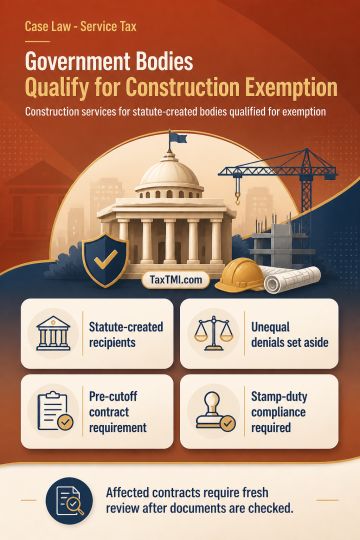
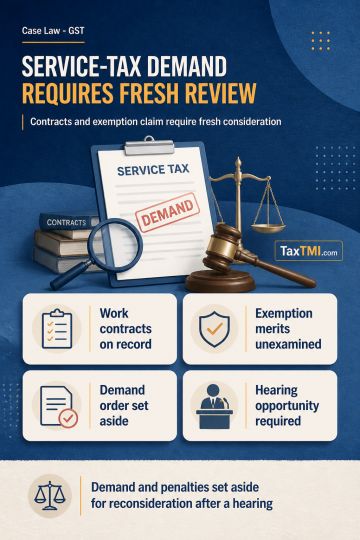
Governmental authority status supports construction-service exemption, while pre-cutoff contract and stamp-duty compliance requires verification on re...
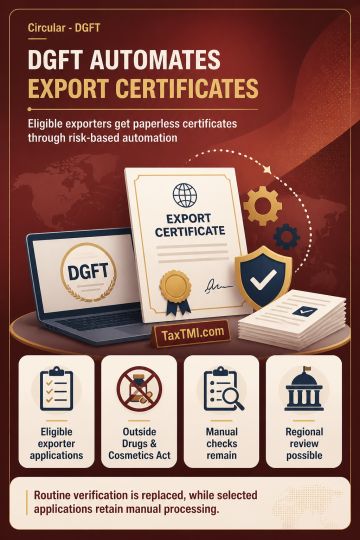
Automated Free Sale and Commerce Certificates enable paperless processing while retaining risk-based manual verification for selected exporter applica...
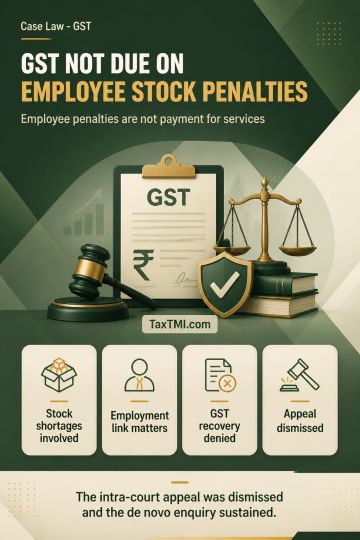
Employee stock-shortage penalties do not constitute consideration for services, preventing GST collection under Schedule II in employment relationship...
The amendment to SEBI's Listing Obligations and Disclosure Requirements Regulations introduces comprehensive corporate governance requirements for High Value Debt Listed Entities (HVDLEs) effective April 1, 2025. Material related party transactions will require prior No-Objection Certificates from Debenture Trustees, who must obtain approval from unrelated debenture holders holding at least 50% of debenture value. The regulations mandate independent director requirements, including special resolution appointments, prohibition of alternate directors, and mandatory D&O insurance. HVDLEs must establish audit committees, stakeholder relationship committees, and risk management committees. Additional provisions address secretarial audits, management vacancies, and enhanced disclosure requirements. Exemptions apply to transactions between government companies and wholly-owned subsidiaries whose accounts are consolidated with holding companies.
The amendment to SEBI's Listing Obligations and Disclosure Requirements Regulations introduces comprehensive corporate governance requirements for High Value Debt Listed Entities (HVDLEs) effective April 1, 2025. Material related party transactions will require prior No-Objection Certificates from Debenture Trustees, who must obtain approval from unrelated debenture holders holding at least 50% of debenture value. The regulations mandate independent director requirements, including special resolution appointments, prohibition of alternate directors, and mandatory D&O insurance. HVDLEs must establish audit committees, stakeholder relationship committees, and risk management committees. Additional provisions address secretarial audits, management vacancies, and enhanced disclosure requirements. Exemptions apply to transactions between government companies and wholly-owned subsidiaries whose accounts are consolidated with holding companies.
Note: It is a system-generated summary and is for quick reference only.
 TaxTMI
  TaxTMI
 of 4828



 Join Channel


