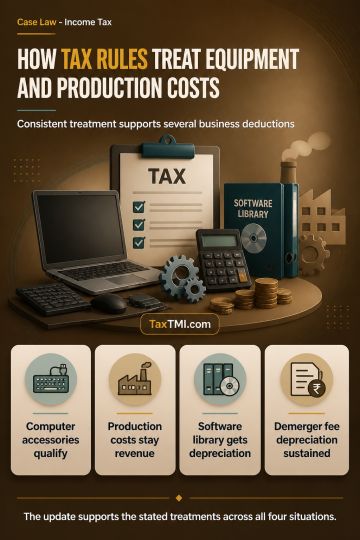
Prolonged sterilisation of development rights supports capital-gains treatment, while business-income disallowances cannot govern capital-gains comput...
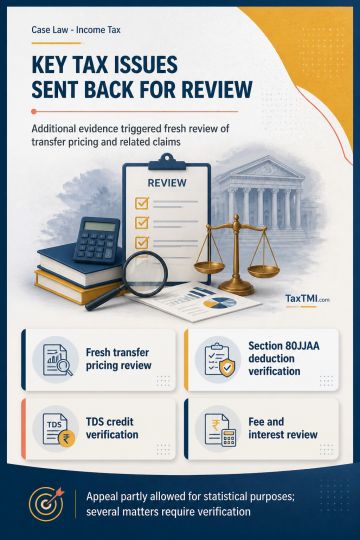
Additional evidence in transfer pricing dispute leads to fresh examination, while tax deductions, TDS credit, fee and refund interest require verifica...
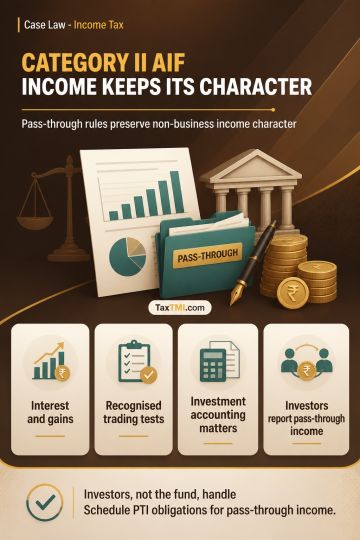
Category II AIF pass-through taxation preserves non-business income character; investment receipts cannot be reclassified without applying recognised ...
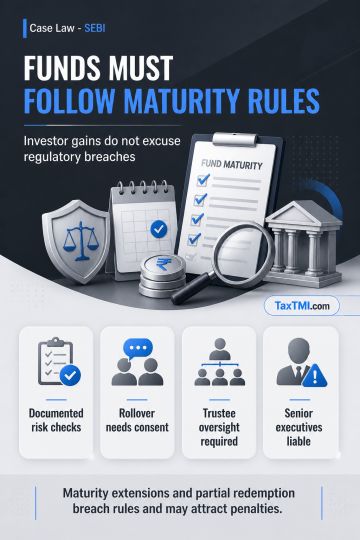
Mutual fund maturity rules require proper rollover, redemption, disclosure, and due diligence; investor gains cannot excuse regulatory breaches or pen...
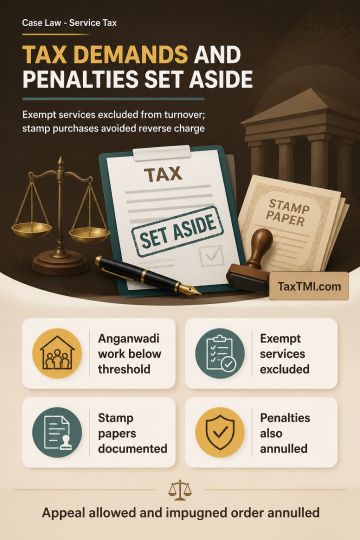
Threshold exemption excludes exempt services, while stamp-paper purchases avoid reverse charge; consequential service tax penalties were also set asid...
The CBIC clarifies two key issues regarding Section 128A of CGST Act, which provides waiver of interest/penalty for demands under Section 73 for July 2017-March 2020 period. First, taxpayers who made payments through GSTR-3B before November 1, 2024 (when Section 128A came into force) are eligible for the benefit, though payments after this date must follow prescribed modes under Rule 164. Second, for notices/orders covering periods partially within and partially outside Section 128A's scope, taxpayers can file Form SPL-01 or SPL-02 after paying tax liability for the covered period only, and may inform the appellate authority of their intent not to pursue appeals for the 2017-20 period while continuing litigation for other periods.
The CBIC clarifies two key issues regarding Section 128A of CGST Act, which provides waiver of interest/penalty for demands under Section 73 for July 2017-March 2020 period. First, taxpayers who made payments through GSTR-3B before November 1, 2024 (when Section 128A came into force) are eligible for the benefit, though payments after this date must follow prescribed modes under Rule 164. Second, for notices/orders covering periods partially within and partially outside Section 128A's scope, taxpayers can file Form SPL-01 or SPL-02 after paying tax liability for the covered period only, and may inform the appellate authority of their intent not to pursue appeals for the 2017-20 period while continuing litigation for other periods.
Note: It is a system-generated summary and is for quick reference only.
 TaxTMI
 of 4805







 Join Channel


 TaxTMI
