Transaction value rejection requires reliable corroboration; refundable VAT is excluded and temporary registration does not defeat new-vehicle exempti...
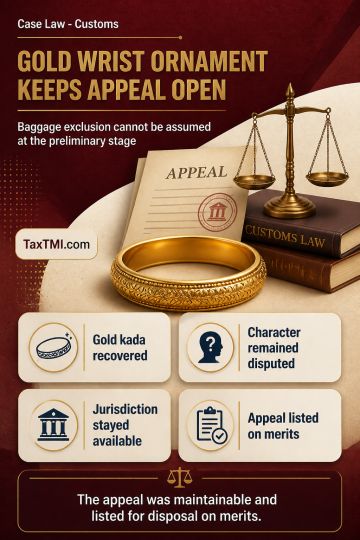
Appellate jurisdiction remains available where a wrist-worn gold ornament cannot conclusively be characterised as imported baggage at the preliminary ...
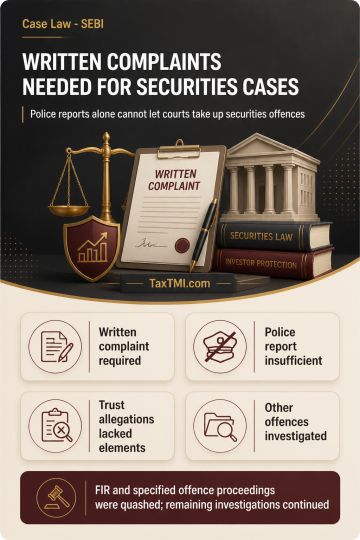
Written complaint requirement bars cognizance on police reports for securities offences, while unsupported breach of trust and cheating allegations fa...
The DSC dismissed the first regular bail application of the accused under Sections 132(1)(b), 132(1)(c), and 132(1)(i) of CGST Act, 2017. The accused was identified as the mastermind in defrauding the government exchequer by creating and operating multiple firms, issuing fake tax invoices for Copper Scrap without actual supply of goods, and fraudulently availing Input Tax Credit. The court determined this constituted a grave economic offense with GST evasion amounting to Rs. 59,00,98,178/-. Considering the gravity of the offense, ongoing investigation, risk of evidence tampering, potential witness influence, and flight risk, the court found it inappropriate to grant bail at this stage.
The DSC dismissed the first regular bail application of the accused under Sections 132(1)(b), 132(1)(c), and 132(1)(i) of CGST Act, 2017. The accused was identified as the mastermind in defrauding the government exchequer by creating and operating multiple firms, issuing fake tax invoices for Copper Scrap without actual supply of goods, and fraudulently availing Input Tax Credit. The court determined this constituted a grave economic offense with GST evasion amounting to Rs. 59,00,98,178/-. Considering the gravity of the offense, ongoing investigation, risk of evidence tampering, potential witness influence, and flight risk, the court found it inappropriate to grant bail at this stage.
Note: It is a system-generated summary and is for quick reference only.
 TaxTMI
 of 4800




 Join Channel


 TaxTMI
