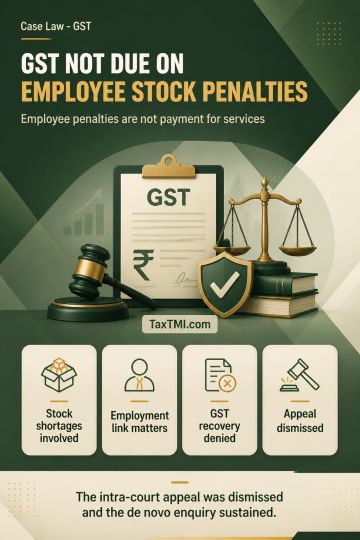
Employee stock-shortage penalties do not constitute consideration for services, preventing GST collection under Schedule II in employment relationship...
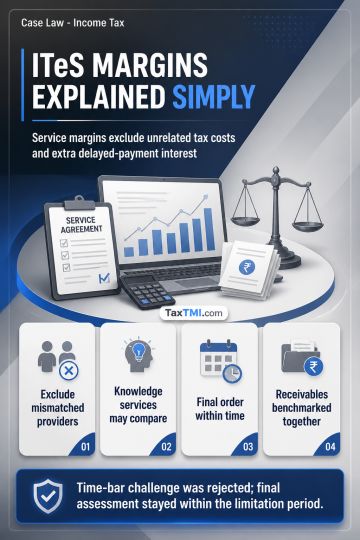
Transfer-pricing treatment of ITeS margins excludes pass-through tax recoveries and separate delayed-receivables interest after working-capital adjust...
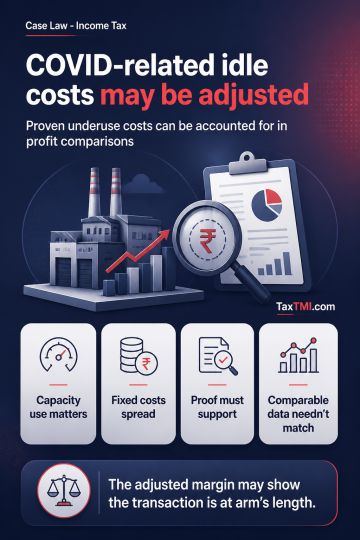
Capacity-utilisation adjustments under TNMM can neutralise substantiated COVID-related idle costs where underutilisation materially affects profitabil...
Page of 4830
Press 'Enter' after typing page number.
181 to 200 of 96587 Results
❮
❯
❯❯
0 / 200
Expand Note
Add to Folder
No Folders have been created
+
Are you sure you want to delete "My most important" ?
The ITAT upheld the PCIT's revision under s.263, finding the AO's assessment order erroneous and prejudicial to revenue interests. The Tribunal confirmed the AO failed to conduct proper inquiry regarding TDS compliance on expenses exceeding Rs.31 crore potentially covered under ss.194C, 194J, and 192, and did not examine s.40(a)(ia) implications. However, the ITAT modified the PCIT's direction for blanket 30% disallowance of expenses, instructing the AO to verify whether TDS was required on daily wages and labor charges, allowing expenses below threshold limits. The Tribunal also confirmed the addition under s.50C as the difference between stamp duty value and sale consideration was 9.02%, exceeding the then-applicable tolerance limit of 5%. The assessee's appeal was partly allowed.
The ITAT upheld the PCIT's revision under s.263, finding the AO's assessment order erroneous and prejudicial to revenue interests. The Tribunal confirmed the AO failed to conduct proper inquiry regarding TDS compliance on expenses exceeding Rs.31 crore potentially covered under ss.194C, 194J, and 192, and did not examine s.40(a)(ia) implications. However, the ITAT modified the PCIT's direction for blanket 30% disallowance of expenses, instructing the AO to verify whether TDS was required on daily wages and labor charges, allowing expenses below threshold limits. The Tribunal also confirmed the addition under s.50C as the difference between stamp duty value and sale consideration was 9.02%, exceeding the then-applicable tolerance limit of 5%. The assessee's appeal was partly allowed.
Note: It is a system-generated summary and is for quick reference only.
 TaxTMI
  TaxTMI
 of 4830



 Join Channel


