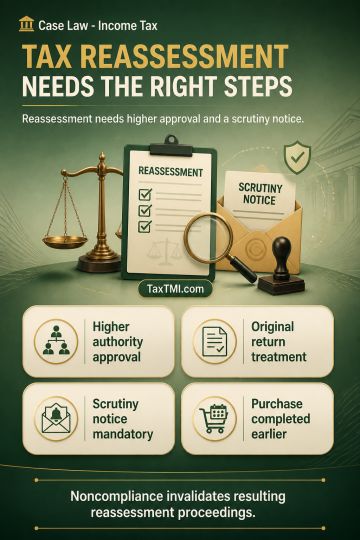
Opportunity to furnish unsecured-loan confirmations is required before reassessment initiation; proceedings require fresh consideration after taxpayer...
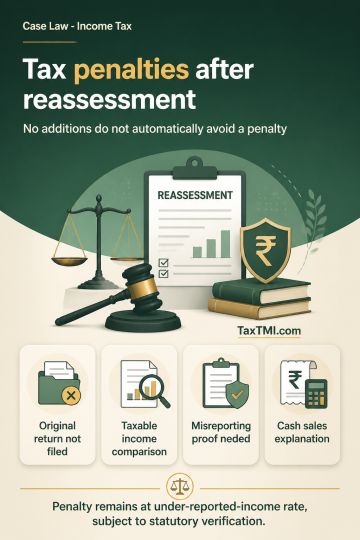
Under-reporting on a first reassessment return attracts penalty, while enhanced misreporting penalty requires proof of a statutory misreporting catego...
The HC set aside the cancellation of petitioner's GST registration, finding that authorities failed to follow proper procedural requirements. The appellate authority had rejected the appeal solely because the HSN/SAC code disclosure in registration applications suggested two registrations covered the same business. However, the court determined that authorities did not establish any violations under Rule 21 of the GST Act, which prescribes specific conditions for registration cancellation. The revenue department also failed to demonstrate that petitioner obtained registration by breaching conditions under Section 29(2) read with Rule 21. The court directed immediate restoration of the petitioner's GST registration upon presentation of the order.
The HC set aside the cancellation of petitioner's GST registration, finding that authorities failed to follow proper procedural requirements. The appellate authority had rejected the appeal solely because the HSN/SAC code disclosure in registration applications suggested two registrations covered the same business. However, the court determined that authorities did not establish any violations under Rule 21 of the GST Act, which prescribes specific conditions for registration cancellation. The revenue department also failed to demonstrate that petitioner obtained registration by breaching conditions under Section 29(2) read with Rule 21. The court directed immediate restoration of the petitioner's GST registration upon presentation of the order.
Note: It is a system-generated summary and is for quick reference only.
 TaxTMI
  TaxTMI
 of 4915