Jurisdictional facts in certificate-of-origin discrepancies can support customs show-cause proceedings, leaving factual explanations for departmental ...
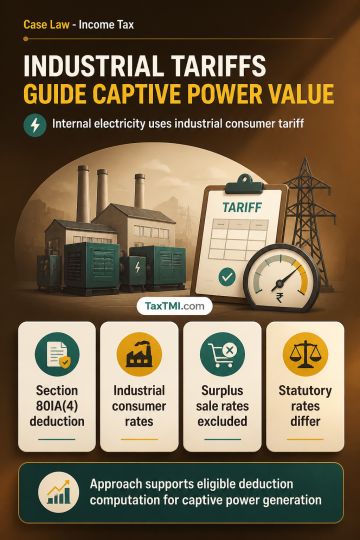
Market value for captive electricity consumption follows industrial consumer tariffs, supporting profit computation for the power generation deduction...
The HC addressed a challenge to a summons issued under s.70 of the GST Act seeking information from the petitioner. The court clarified that s.74 of the CGST Act applies to tax evasion cases involving willful misstatement or fraud, permitting penalties up to 100% of unpaid tax, with reduced penalties available at various stages of admission and payment. The court determined that the 2nd respondent's communication aligned with s.74 provisions and did not create liability or initiate proceedings against the petitioner. The petition was closed, preserving the petitioner's right to oppose any future proceedings for tax short payment, evasion, or wrongful ITC availment.
The HC addressed a challenge to a summons issued under s.70 of the GST Act seeking information from the petitioner. The court clarified that s.74 of the CGST Act applies to tax evasion cases involving willful misstatement or fraud, permitting penalties up to 100% of unpaid tax, with reduced penalties available at various stages of admission and payment. The court determined that the 2nd respondent's communication aligned with s.74 provisions and did not create liability or initiate proceedings against the petitioner. The petition was closed, preserving the petitioner's right to oppose any future proceedings for tax short payment, evasion, or wrongful ITC availment.
Note: It is a system-generated summary and is for quick reference only.
 TaxTMI
 of 4805



 Join Channel


 TaxTMI