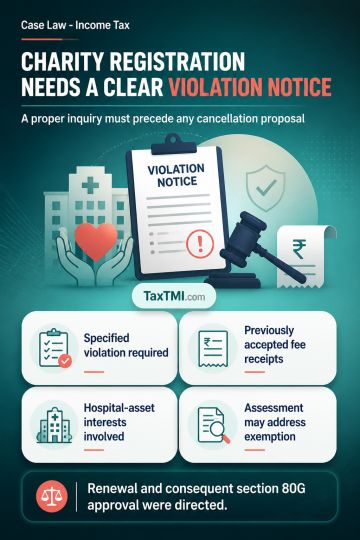
Charitable trust registration requires a specified-violation notice; settled cash deposits and related-party payments did not justify cancellation or ...
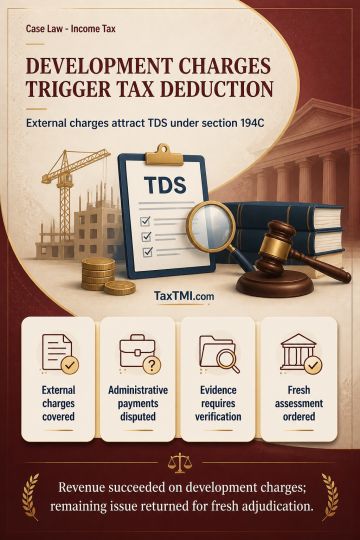
External development charges trigger TDS under section 194C, while disputed administrative payments require factual verification and fresh adjudicatio...
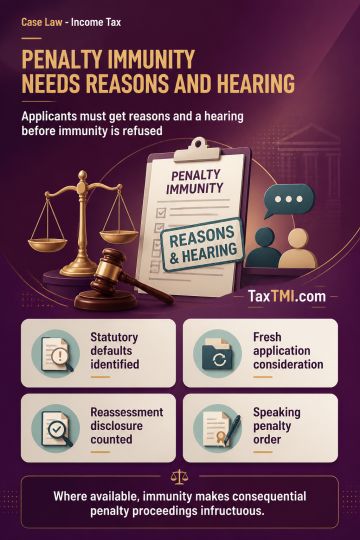
Section 270AA penalty immunity requires identified statutory defaults and a hearing before rejection; reassessment disclosure may constitute under-rep...
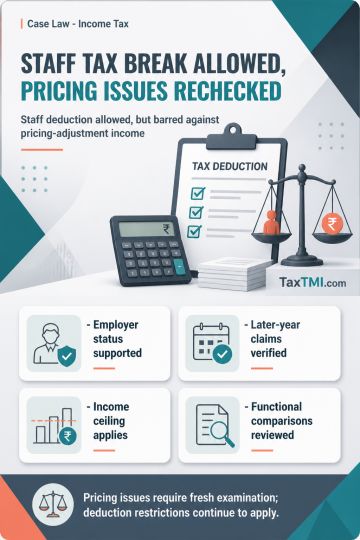
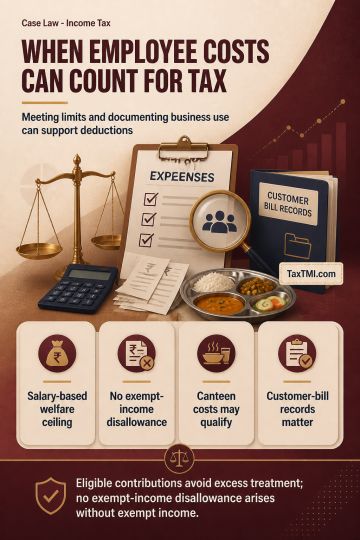
Section 80JJAA employee-cost deduction allowed for deployed staff but barred against transfer-pricing income enhancement, with pricing issues remanded...
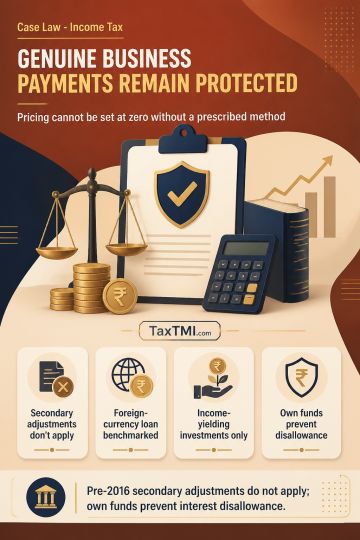
Transfer-pricing methodology protects commercially genuine associated-enterprise payments, while pre-2016 secondary adjustments and related notional i...
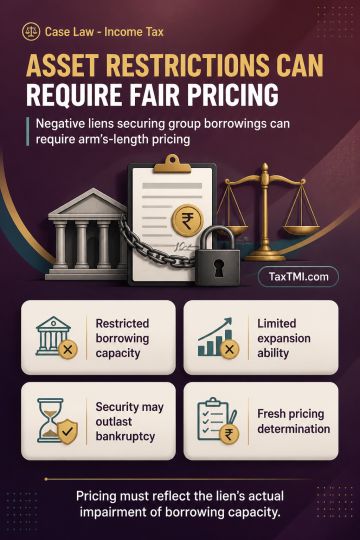
Negative liens over operating assets can constitute international transactions requiring arm's-length pricing reflecting restricted borrowing and expa...
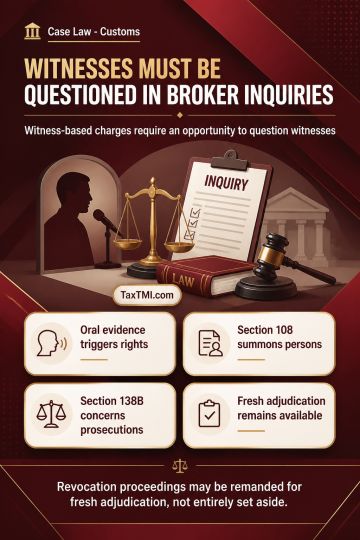
Cross-examination rights in Customs Broker revocation inquiries require witness examination; procedural denial may be cured through fresh adjudication...
The government has proposed to abolish the 6% Equalisation Levy on online advertisements through amendments to the Finance Bill 2025 introduced in the Lok Sabha. This move follows last year's removal of the 2% Equalisation Levy on e-commerce transactions. The decision appears strategically timed to demonstrate an accommodative stance toward the US, which had threatened reciprocal tariffs beginning April 2. The abolition aims to address international concerns about the unilateral nature of the levy while providing greater certainty to taxpayers. Additional amendments include modifications to offshore fund investment requirements and clarifications regarding tax assessments under search and seizure provisions, specifically introducing the term "Total Undisclosed Income" to better define the scope of such proceedings.
The government has proposed to abolish the 6% Equalisation Levy on online advertisements through amendments to the Finance Bill 2025 introduced in the Lok Sabha. This move follows last year's removal of the 2% Equalisation Levy on e-commerce transactions. The decision appears strategically timed to demonstrate an accommodative stance toward the US, which had threatened reciprocal tariffs beginning April 2. The abolition aims to address international concerns about the unilateral nature of the levy while providing greater certainty to taxpayers. Additional amendments include modifications to offshore fund investment requirements and clarifications regarding tax assessments under search and seizure provisions, specifically introducing the term "Total Undisclosed Income" to better define the scope of such proceedings.
Note: It is a system-generated summary and is for quick reference only.
 TaxTMI
  TaxTMI
 of 4828










 Join Channel


