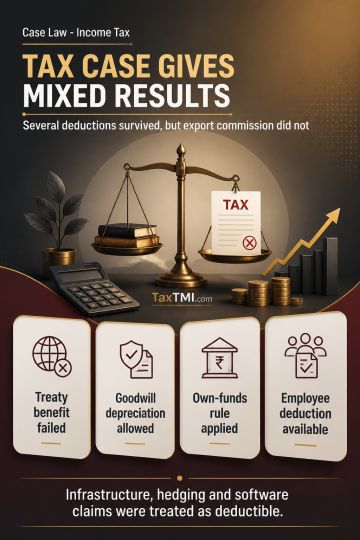
Treaty benefit, goodwill depreciation and hedging costs: export commission disallowed, while key business deductions and depreciation claims succeeded...
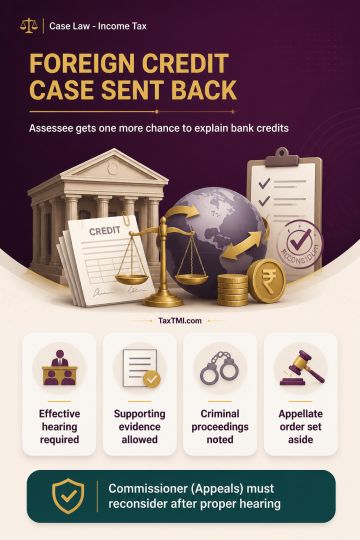
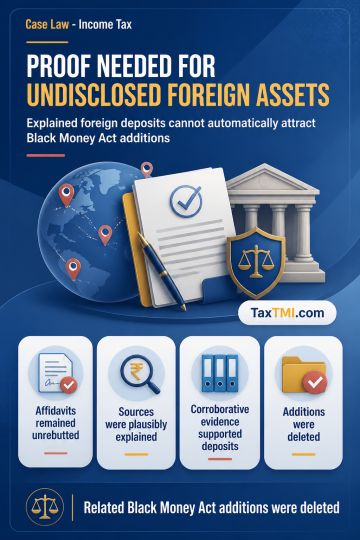
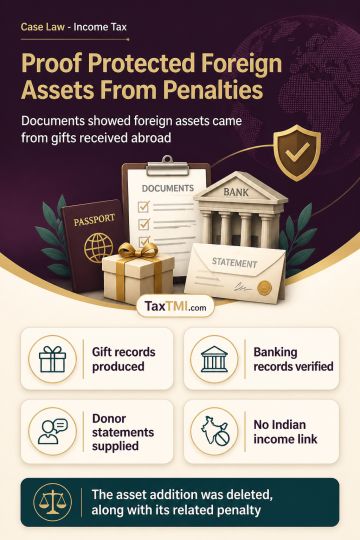
Undisclosed foreign asset classification requires an unexplained source; unrebutted affidavits and corroborative evidence defeated the Black Money Act...
CESTAT held that retention charges from customers who cancelled reservations were not taxable under Section 66E(e) of the Finance Act as there was no agreement to tolerate an act. These amounts constituted damages/compensation rather than consideration for service. Similarly, amounts recovered from employees for subsidized canteen food were not taxable as providing such food was a legal obligation under labor laws, distinct from the restaurant's commercial operations. The Tribunal concluded that service tax could not be levied on either the retention charges or employee meal recoveries, and consequently dismissed the Revenue's appeal, rejecting associated interest and penalty demands.
CESTAT held that retention charges from customers who cancelled reservations were not taxable under Section 66E(e) of the Finance Act as there was no agreement to tolerate an act. These amounts constituted damages/compensation rather than consideration for service. Similarly, amounts recovered from employees for subsidized canteen food were not taxable as providing such food was a legal obligation under labor laws, distinct from the restaurant's commercial operations. The Tribunal concluded that service tax could not be levied on either the retention charges or employee meal recoveries, and consequently dismissed the Revenue's appeal, rejecting associated interest and penalty demands.
Note: It is a system-generated summary and is for quick reference only.
 TaxTMI
 of 4796









 Join Channel


 TaxTMI
